Online Reputation in AI Search: What Changes When Answers Shape Brand Perception

Online reputation used to be managed at the level of search listings, review sites, media coverage, and social mentions. That model is changing because prospects increasingly meet brands through AI-generated summaries before they ever click through to a website. When ChatGPT, Perplexity, and Google AI Overview condense what the web says about a company, reputation becomes partly a retrieval problem: can the system find current, credible, quotable material that represents the brand accurately?
That shift matters now because AI search visibility is still uneven for most brands. In Seerly’s own tracking, overall presence remains modest but is improving, with a 2.22% tracked presence rate and one live foothold in Perplexity for brand-reputation monitoring queries. That is a small signal, but it is exactly why online reputation is becoming a practical entry point for answer engine optimization rather than a speculative future trend. If a brand can already appear in one high-intent answer, it can usually expand that presence by improving the source material AI systems cite and summarize. This is especially important as consumers rely on online information to shape trust; even in earlier web eras, search results were already influencing personal and organizational reputation management behaviors.
What changes when AI systems become the first impression layer
Traditional brand reputation management focused on what a person could inspect directly: rankings, star ratings, headlines, and landing pages. AI answers change that by compressing many sources into a single narrative. A summary can remove nuance, flatten caveats, and give disproportionate weight to whichever sources are easiest to retrieve and quote. In practice, the first impression is no longer just “what ranks,” but “what gets selected, synthesized, and repeated.”
This makes answer-engine reputation different from classic search reputation in three important ways. First, AI systems often privilege concise, well-structured source passages over broad but vague brand messaging, which is one reason answer engine optimization has emerged as a distinct practice focused on producing directly retrievable answers. Second, the reputation a user sees may vary by query framing. A prompt asking for “best tools,” “enterprise-ready platforms,” or “reputation monitoring across regions” can produce noticeably different brand sets and explanations. Third, regional context matters more than many teams expect; the same brand can surface under different narratives depending on country, language, or use-case modifiers.
There is also a quality issue. AI-generated summaries can be confidently wrong or selectively incomplete, which creates reputation risk even when a brand has no formal crisis. Recent reporting on Google AI Overview highlighted research suggesting some AI-generated insurance-related responses were wrong 57% of the time. For marketers and communications teams, that means reputation work now includes reducing the odds that outdated, thin, or poorly framed material becomes the answer layer’s preferred evidence.
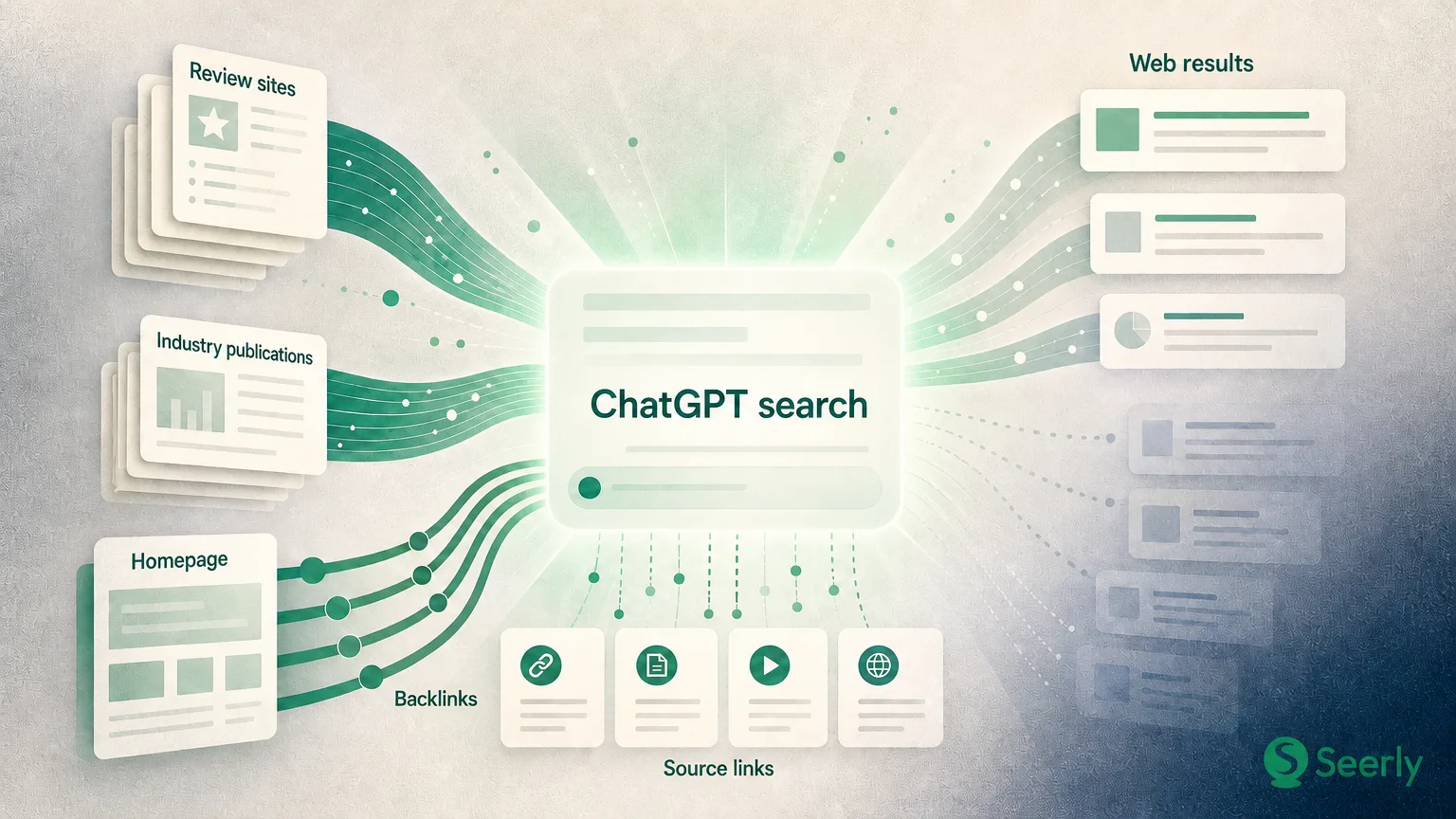
The four source types that most influence AI-shaped reputation
1. Owned pages
Owned pages remain the cleanest place to define a brand’s positioning, category, and use cases. But not all owned pages are equally useful to AI systems. A homepage with broad taglines is less quotable than a focused category page that clearly states what the product does, who it is for, and how it differs. The most effective pages use short definitional sections, scannable proof points, and explicit terminology such as “brand reputation monitoring” or “AI search visibility across regions.”
For Seerly, that means strengthening pages around region-specific monitoring and direct reputation language, not just general AI analytics framing. Content designed to be cited tends to perform better when it answers a narrow question directly, a pattern explored in Seerly’s guide to content formats that are easier for AI systems to retrieve and cite.
2. Third-party reviews
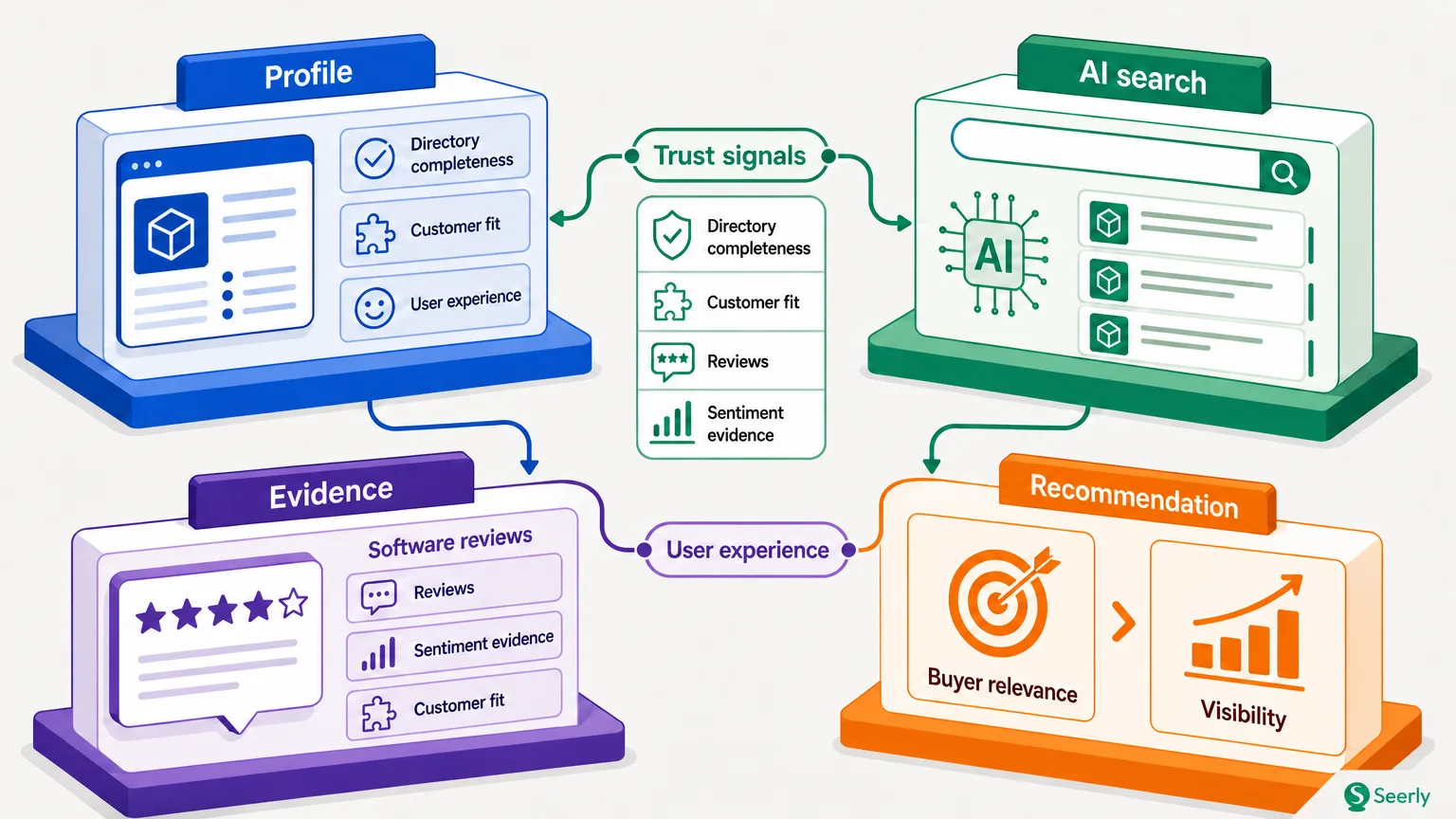
Reviews still matter, but they no longer operate as standalone reputation proof. AI systems may use them as supporting evidence, especially when summarizing customer satisfaction, ease of use, or implementation concerns. However, reviews are often noisy, inconsistent across platforms, and weak on strategic context. They help validate a claim, but they rarely define the full narrative unless better sources are missing.
That distinction is important because many teams still equate online reputation with review management alone. In AI search, reviews are one input among many. If they are not paired with strong owned pages and consistent market descriptions, they may simply confirm whatever broader narrative the answer engine has already formed.
3. Press and analyst coverage
Independent coverage carries authority because it gives answer engines a non-self-published source to cite. A product launch mention is less useful than an article that clearly explains the market need, the product category, and the evidence behind adoption. Quotable press coverage usually includes explicit descriptors, comparisons, or expert framing that an answer engine can lift into a synthesized answer.
Perplexity in particular positions itself as an answer engine that cites sources inline, making source authority a visible part of the user experience; it is broadly described as an AI-powered search and answer engine that generates responses with linked source material. When a buyer sees cited sources attached to an answer, the quality of those sources directly shapes trust.
4. Comparison pages
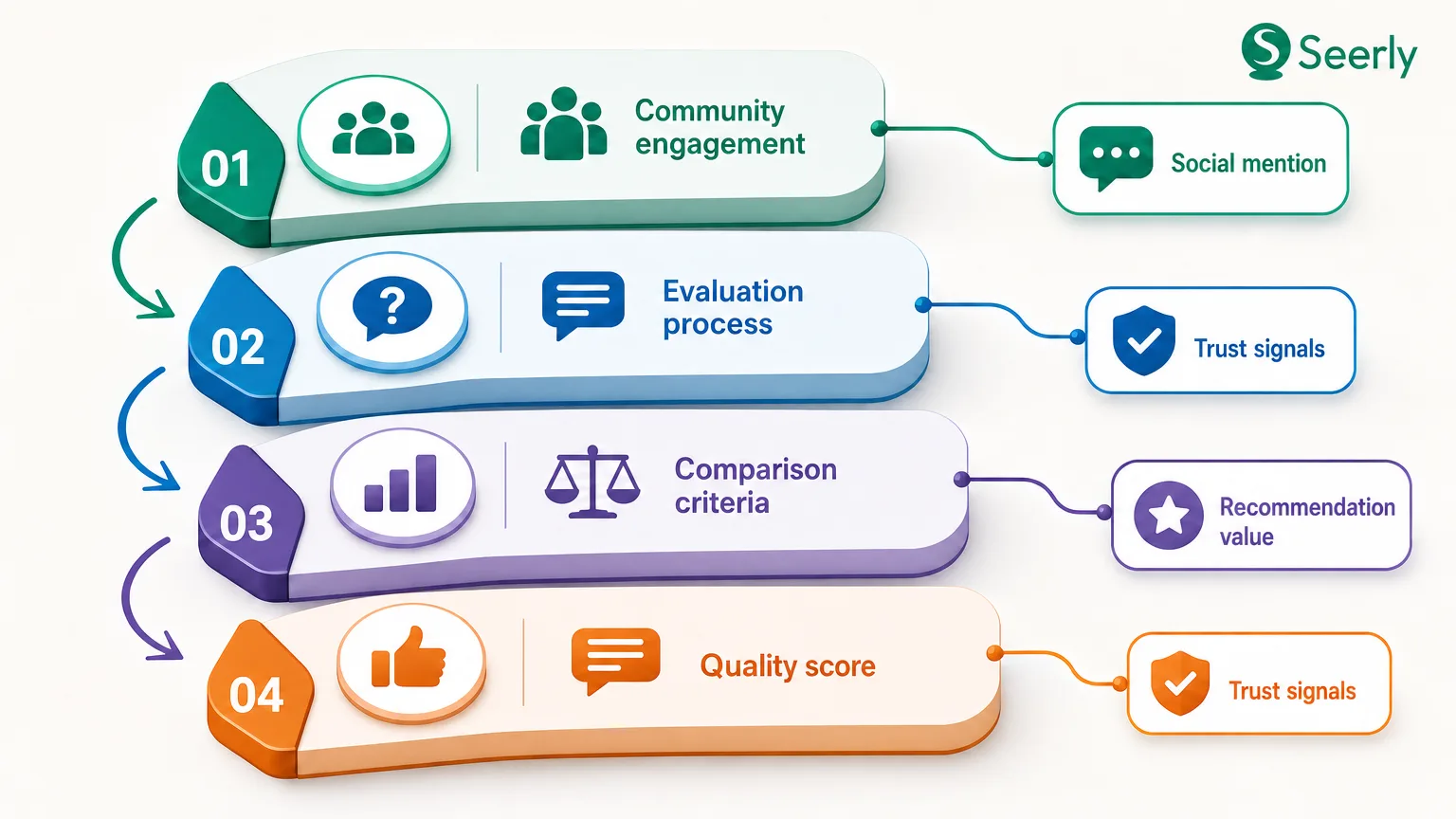
Comparison pages are increasingly powerful because many commercial prompts are comparative by default. Buyers ask which tool is better, which platform covers more regions, or which solution fits a particular team. If a brand is absent from comparison content, it is easier for AI systems to exclude it from consideration. If it appears only in shallow affiliate-style lists, the resulting narrative is often generic.
A strong comparison page does not need to attack competitors. It needs to clarify differences in scope, data sources, regions, reporting, and workflow fit. That is especially relevant for brands trying to expand beyond one existing foothold into adjacent prompts.
A practical audit for AI-ready online reputation
A useful audit starts with message consistency. Document how the brand describes itself across the homepage, product pages, About page, executive bios, review profiles, and recent media mentions. Then compare that language to the queries buyers actually ask. If your site says “consumer intelligence platform” while the market asks for “brand reputation monitoring in AI search,” you have a discoverability and reputation gap at the same time.
Next, assess freshness and evidence. Check publication dates, stale statistics, broken proof points, and outdated leadership information. Review whether third-party profiles and comparison mentions reflect the same current positioning. Then examine formatting: does the site contain concise FAQs, definitional headings, short feature explanations, and region-specific use cases? These structural elements support AI search optimization efforts aimed at improving retrieval and answer inclusion.
Before publishing fixes, teams should document which prompts matter most, which sources currently surface, what narrative they produce, and where the strongest contradictions appear. That baseline helps separate a true reputation problem from a simple lack of source coverage.
Worked scenario: monitoring brand reputation in AI engines across regions
Consider a buyer asking: which tools can monitor brand reputation in AI engines across regions? If only one current answer engine citation exists, the opportunity is not just to rank for the query but to support a better answer. A strong page for this scenario would open with a direct definition, explain regional monitoring in plain language, and include short proof blocks such as supported markets, example workflows, and what outputs a team can track.
For Seerly, the lesson from its current Perplexity foothold is that a narrow use case can create an entry point. The next step is to build a page that expands that foothold into a broader cluster: reputation monitoring, regional AI answer tracking, and brand comparison prompts. Seerly’s broader work on measuring AI visibility across prompts and engines supports this approach because the first win is often not universal presence, but repeated inclusion in a tightly related set of commercially meaningful answers.
What to publish next if your reputation footprint is thin
Start with a category page that explicitly addresses brand reputation management in AI search. This asset defends current visibility because it gives answer engines a canonical source for what the product does. Then publish a regional use-case page covering how teams monitor answer quality and brand mentions across markets. That expands into adjacent prompts where geographic nuance affects source selection and narrative framing.
After that, add a comparison FAQ that answers buyer-language questions directly: which tools support multi-region monitoring, how often data updates, and what distinguishes AI-search monitoring from traditional SERP tracking. Finally, add credibility blocks throughout the site: customer examples, methodology notes, leadership context, and concise evidence statements. This is the same underlying principle behind brand reputation management in AI search requiring clear, citable, and current source material.
FAQ
Are reviews alone enough for online reputation in AI search?
No. Reviews help validate trust, but AI systems also rely on owned content, press coverage, and comparison pages to construct an answer.
Do AI answers update quickly?
Sometimes, but not consistently. Some changes appear fast, while other outdated narratives can persist until fresher, more quotable sources are crawled and selected.
How do you separate reputation issues from discoverability issues?
If the available sources say the right things but the brand is absent, the issue is usually discoverability. If the brand appears but the answer is misleading, incomplete, or skewed by weak sources, the issue is reputation.
Online reputation now depends on whether AI systems can repeatedly find trustworthy material that explains your brand well. If your current footprint is thin, start by mapping where your brand appears, what narrative shows up, and which prompts matter most. From there, you can turn visibility gaps into a measurable publishing plan with Seerly.