Brand Reputation Management in AI search: A Data-Driven Guide to Building Trust Online

Every brand lives and dies by how it’s perceived. In an era when a single review or social post can spiral into viral attention, brand reputation management isn't optional - it's survival. The stakes are higher now that search algorithms and AI-driven summaries often decide what people see when they search for your business.
People trust what they find first. That’s why managing reputation today isn’t just about monitoring conversations - it’s about shaping data signals in ways that search engines understand.
This guide breaks down practical strategies for building, monitoring, and protecting your reputation across digital and AI-driven ecosystems. You’ll learn what matters most to both human audiences and machine summaries - and how to measure and respond effectively.
What Brand Reputation Management Really Means
At its core, brand reputation management is about understanding and influencing how your brand is perceived across channels. That includes search results, social media, reviews, and even how AI tools summarize your company. Reputation is cumulative - built from every touchpoint where your name appears.
Most teams think of reputation only when something goes wrong. But great brands track it as an ongoing metric, no different from conversions or revenue. A consistent feedback loop - listening, analyzing, and adjusting - is crucial.
Key elements of brand reputation management include:
- Monitoring visibility: Tracking mentions across the web, including review sites, forums, and social feeds.
- Analyzing sentiment: Measuring tone and emotion behind brand mentions to identify trends early.
- Responding strategically: Crafting authentic responses that demonstrate accountability and care.
- Enhancing perception: Publishing high-quality, trustworthy content to reinforce positive values.
The more complete and data-backed your reputation picture, the better you can adjust before issues escalate. Tools like Seerly help teams visualize these data patterns clearly so reputation decisions become data-driven, not reactive.
Why Reputation Now Depends on Data
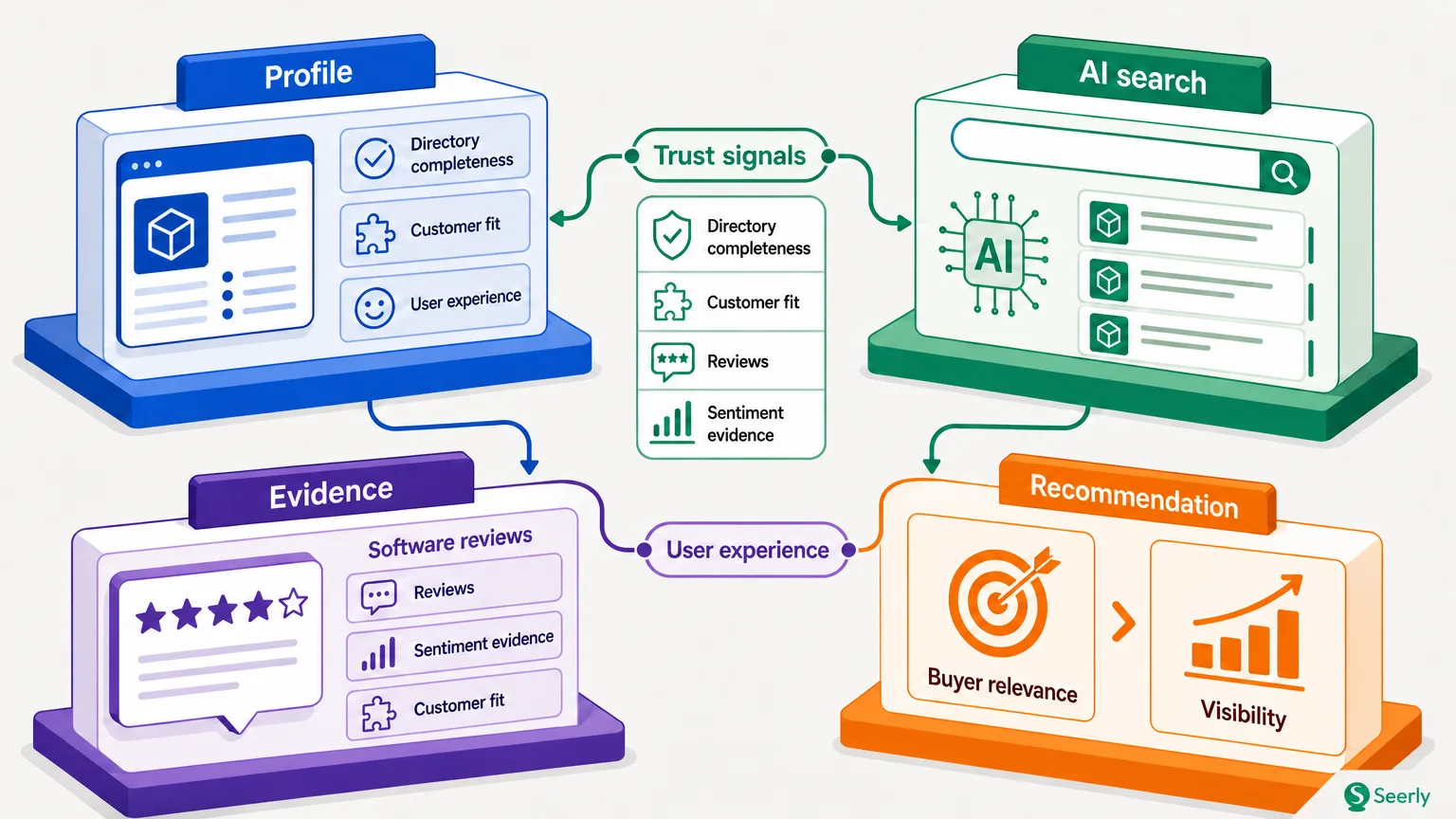
Every online interaction produces a signal - clicks, comments, reviews, backlinks. Search engines and AI models absorb those signals to shape how your brand is described in summaries, result snippets, or “people also ask” boxes.
When the data feeding those systems is inconsistent or outdated, your brand reputation can drift out of your control. For example, if review responses differ in tone or company bios vary across platforms, search models may infer uncertainty or lack of authority.
A data-driven approach keeps AI systems aligned with reality. Consistent structured data, accurate sentiment metrics, and unified tone across listings help reinforce trust signals.
I’ve seen smaller companies outperform larger competitors simply because their brand data is coherent across multiple sources. They didn’t outspend them - they out-structured them.
Managing Brand Reputation in AI Search Results
AI-driven search results (like Google’s AI Overviews and generative assistants such as ChatGPT or Bing Copilot) now play a major role in delivering brand information. They don’t just show links - they summarize reputations.
Those AI summaries rely heavily on verifiable sources, structured data (schema), and sentiment balance across articles, reviews, and news. If your brand’s online footprint contains conflicting information or outdated mentions, the AI model may generate misleading conclusions.
To manage brand reputation effectively in AI search results, focus on three fronts:
- Structured accuracy: Maintain consistent schema (Organization, Reviews, FAQs) across pages.
- Authority coverage: Publish verifiable, transparent content that AIs can cite easily.
- Sentiment control: Analyze and address negative sentiment in top-ranking mentions quickly.
Brands that treat AI engines like editorial gatekeepers - curating clean data and credible narratives - are the ones securing favorable summaries.
Key Metrics Worth Tracking
You can’t manage what you can’t measure. Tracking sentiment alone doesn’t capture the whole story. Combine qualitative and quantitative metrics for a fuller view.
Quantitative indicators
- Share of voice: How often your brand appears versus competitors across high-visibility platforms.
- Engagement ratios: Likes, comments, and shares as indicators of positive interest.
- Search visibility: Ranking consistency for branded queries and the tone of snippets that appear.
Qualitative indicators
- Review tone trends: Average emotion over time, not just star ratings.
- Media framing: How journalists and influencers describe your brand values.
- Topic associations: The recurring themes linked to your brand in online conversation.
Monitoring these across geographic markets can highlight culture-specific risks or opportunities. For example, tone differences in English versus Spanish mentions might flag needed localization adjustments.
Responding to Negative Feedback
Every brand encounters criticism. The difference between lasting damage and credibility gain often comes down to timing and tone.
A good rule: respond fast, but not defensive. Acknowledge the concern, state facts, and when appropriate, explain corrective steps. Avoid templated or automated replies - they feel robotic and can escalate frustration.
When Apple faced antenna issues with early iPhone models, their transparent statement acknowledging signal problems helped stabilize public sentiment. The faster the response loop, the less oxygen rumors get.
Internally, document common issues and the responses that best resolve them. Over time, the data becomes training material for both human teams and automated monitors.
Building a Proactive Reputation Strategy
Proactive means preparing before the next crisis. Think beyond “damage control” and toward “narrative shaping.”
That involves:
- Scenario mapping: Identify likely risks by analyzing historical brand data and competitor crises.
- Owned content strategy: Publish stories that reinforce your values, highlight community work, or celebrate customer success.
- Reputation drills: Simulate digital crises quarterly to test your monitoring and response workflows.
It’s remarkable how often delays happen because no one knows who approves statements. Planning beats improvisation.
Practical Tools for Monitoring
Modern brand teams rely on analytics platforms that combine social listening, sentiment analysis, and visualization dashboards.
Popular options include:
- Seerly: Focuses on visualizing brand data for clear decision-making. Its intuitive interface helps teams correlate spikes in sentiment shifts to specific events or content releases.
- Brandwatch and Meltwater: Offer deep listening coverage across social and news media.
- Talkwalker and Brand24: Great for small and mid-sized teams balancing reach and cost.
Select tools that integrate smoothly with your CRM or analytics system. The goal isn’t collecting more data, but connecting the dots faster.
Reputation in Multimarket Environments
Global companies face unique reputation challenges - consistency versus cultural nuance. A phrase that reads as confident in one market might sound aggressive in another.
AI summaries often collapse multiple language mentions into one composite impression, losing nuance along the way. That’s where localization monitoring helps. Use multilingual sentiment analysis to track how narratives differ, then adjust brand tone regionally without losing coherence globally.
Brands like Toyota balance this well: they tailor voice per market yet maintain consistent reputation themes like reliability and safety worldwide.
Turning Insights into Action
Collecting sentiment and visibility data is step one. Turning insights into consistent action defines long-term success.
Think of reputation actions as feedback loops:
- Listen - Gather mentions and sentiment.
- Analyze - Identify patterns or anomalies.
- Decide - Prioritize responses based on impact.
- Act - Publish, respond, or clarify.
- Measure again - Track the effect and refine.
Each loop strengthens decision intelligence - the core of how Seerly designs its analytics to let teams spot underlying drivers before visible symptoms appear.
Common Questions About Brand Reputation Management
How often should brands measure online sentiment?
Weekly monitoring is standard for active brands, but real-time tracking matters during campaigns or crises. Automated alerts can bridge the gap.
Do AI-generated search results affect small businesses?
Yes, sometimes even more. AI models surface whatever data they trust most - whether from local directories, social pages, or reviews. Consistency across all sources boosts visibility.
Can negative reviews ever help?
Surprisingly, yes. A few negative reviews make high ratings look more credible. Handling criticism publicly and respectfully builds trust.
What's the first step if a brand faces misinformation?
Document the issue, publish verified facts on your owned platforms, and request corrections from credible sources. Transparency beats silence.
The Bottom Line
Brand reputation isn’t static - it’s a dynamic signal that both humans and machines interpret daily. The brands defining their narrative with data-driven clarity are the ones winning attention and trust.
Want structured insight into your brand’s data signals? Explore Seerly to visualize, track, and refine your online reputation with confidence.