Research & Engineering
Research & engineering notes on how we build Seerly: infrastructure, product engineering, and AI search visibility measurement.
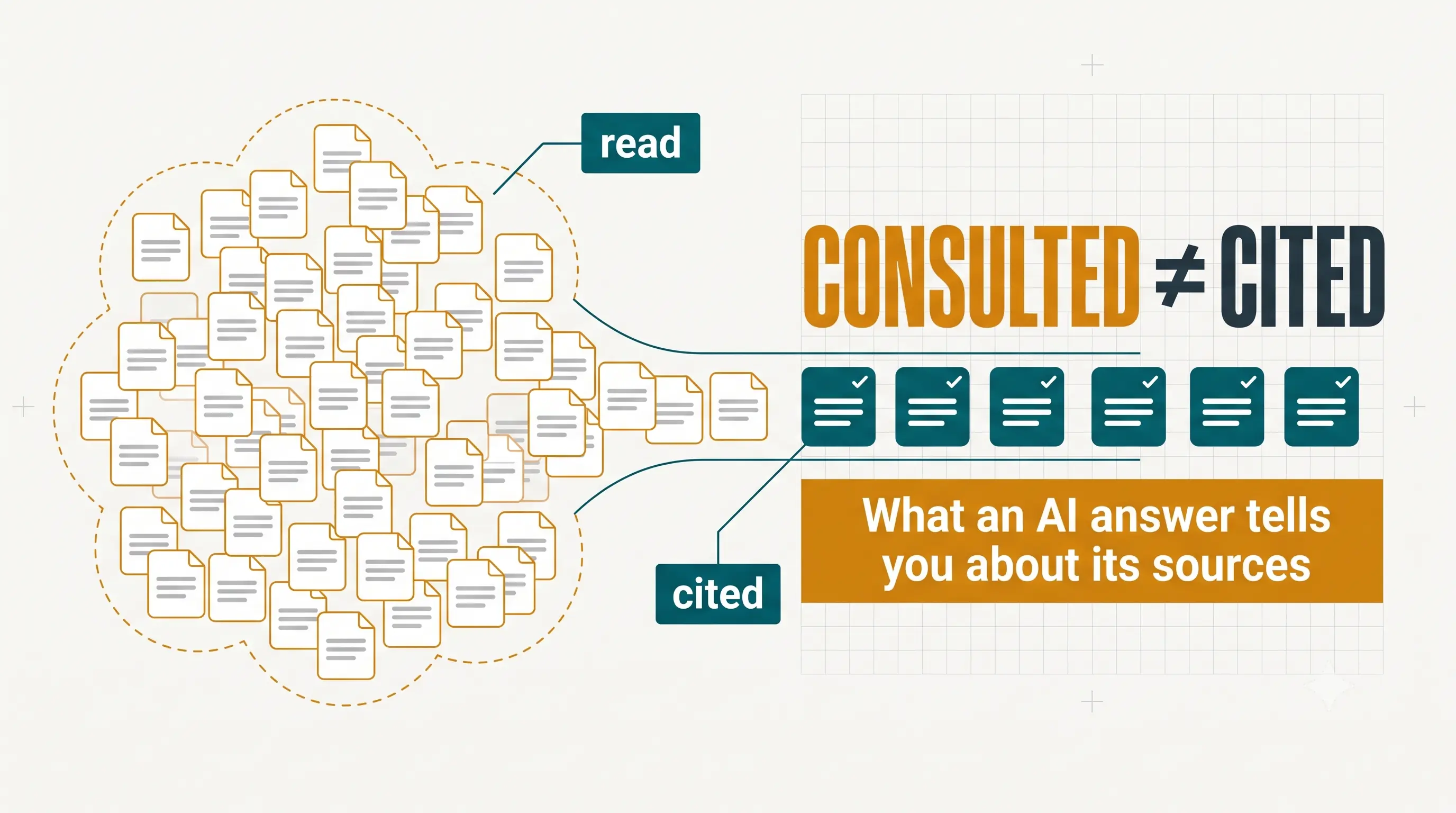
Consulted Is Not Cited: What Counts as a Citation in an AI Answer
Across 861 ChatGPT answers, the engine listed 31,981 pages and cited 4,817 of them. A citation count is only useful if every citation in it is a page a buyer could have clicked. This is how Seerly separates the pages an AI engine read from the pages it cited, the counting methods we weighed and rejected, and a design that does not depend on any single signal as ChatGPT, Perplexity and Google change how an answer is built.
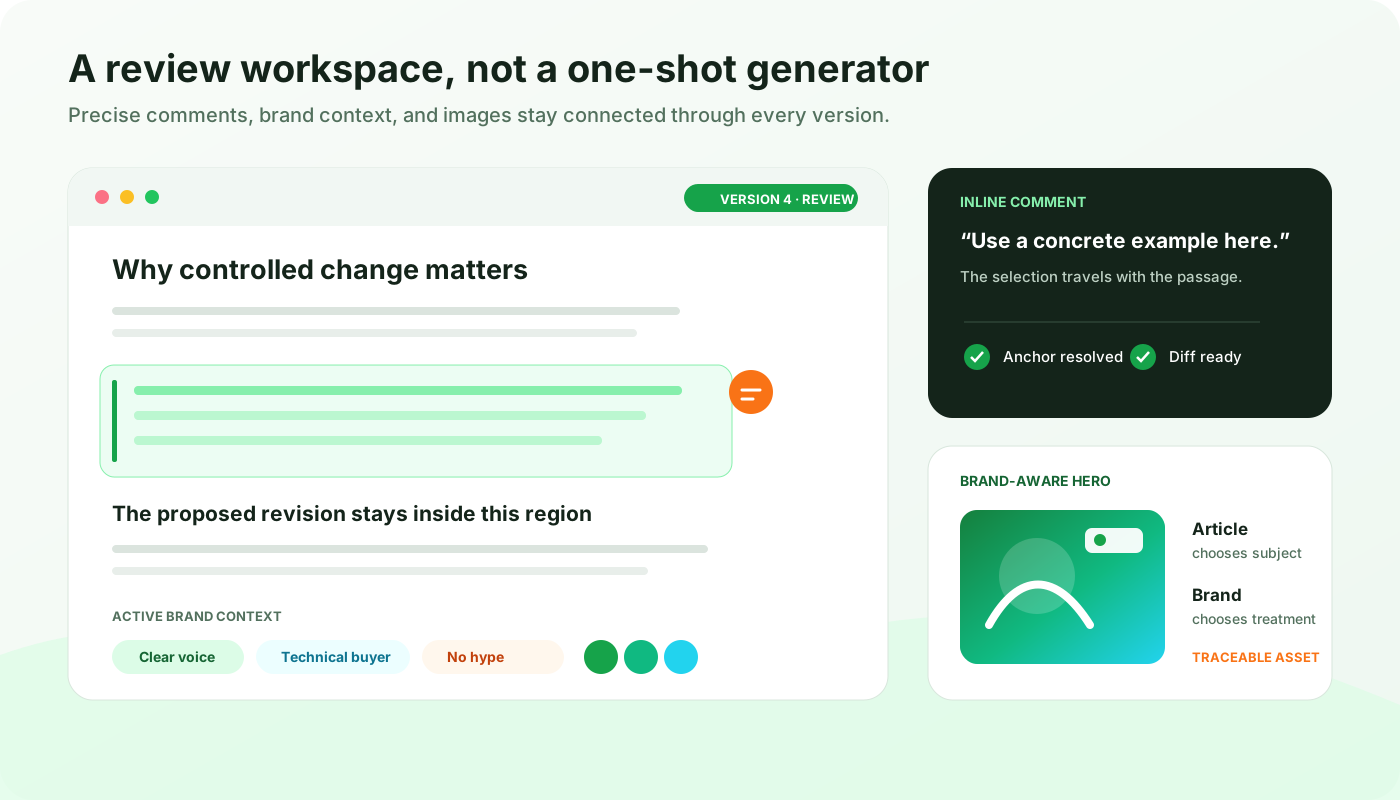
How We Built Reviewable AI Content Generation with Inline Comments and Brand-Aware Images
Generating a draft is easy. Preserving reviewer intent, brand voice, and visual consistency through every revision is the harder engineering problem.
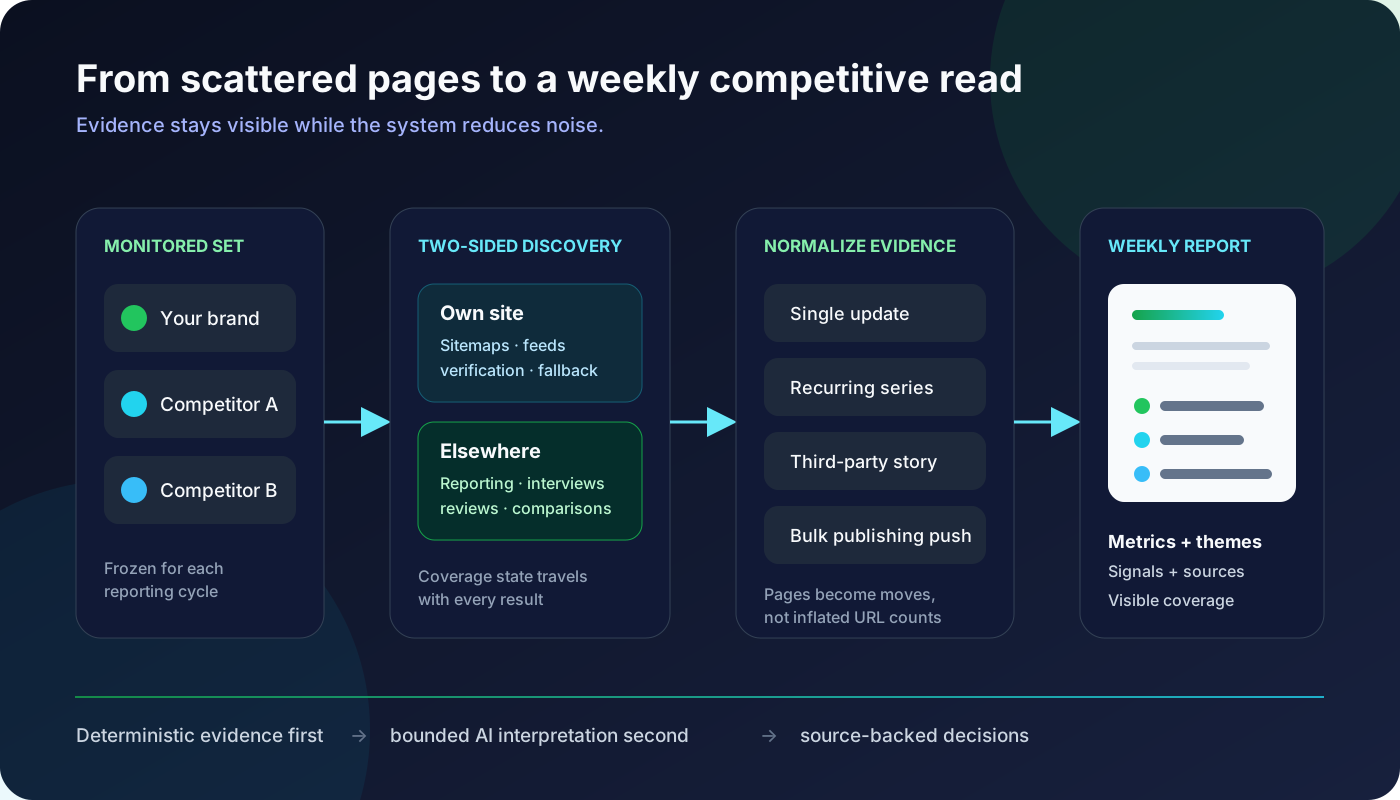
How We Built a Content Intelligence Loop to Track What Competitors Publish
A useful competitor analysis needs more than a crawler. Here is how we built a content intelligence loop that discovers what competitors publish, separates activity from noise, and turns evidence into a useful weekly read.
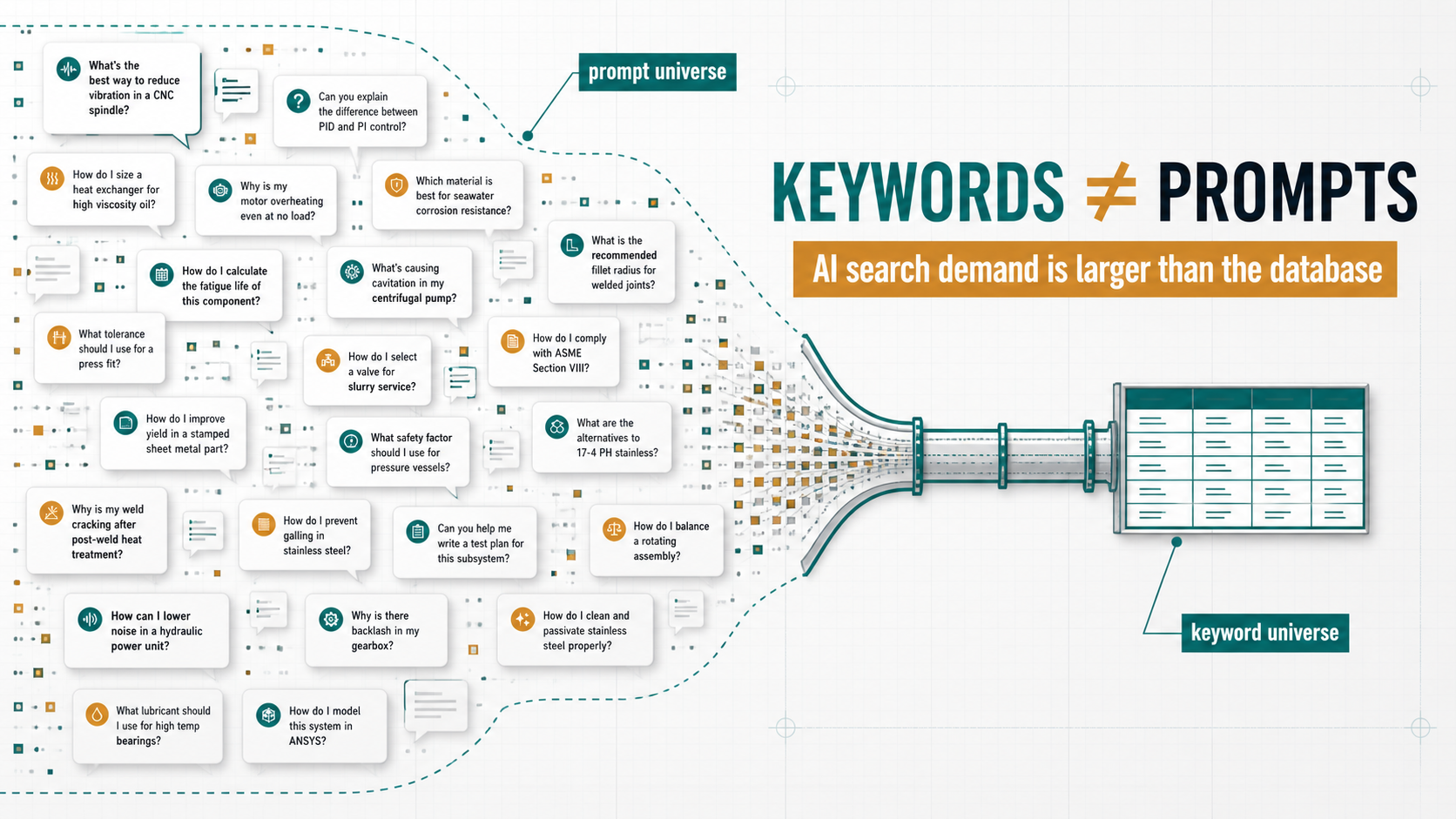
Keyword Research as a Proxy for AI Search Demand: How Far It Actually Holds
Keyword databases are built from search advertising data, and independent clickstream research puts 65% to 85% of AI prompts outside them entirely. This is how far that proxy holds across five engines, what a volume-ranked topic selector does to a specialist business, and why the string you measure should never be the string you publish.
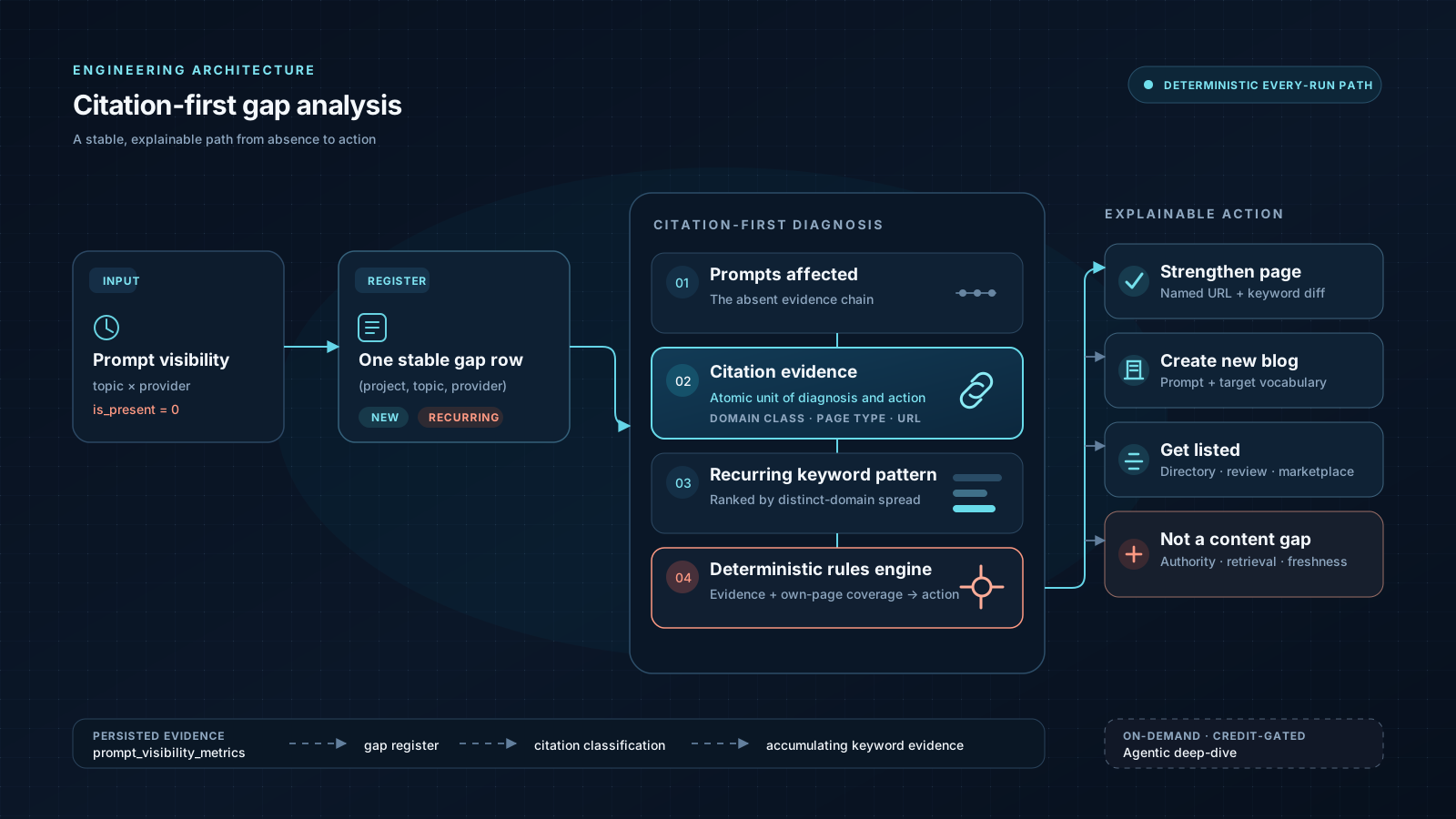
From Analysis to Action: Turning AI Visibility Gaps Into a Content Roadmap
A visibility dashboard tells you where your brand is absent from AI answers. It does not tell you what to write next. This is how we built the pipeline that turns prompt-level absence into citation evidence, citation evidence into recurring keyword patterns, and keyword patterns into a deterministic, explainable recommendation, and how narrowing the unit of measurement from a keyword cluster down to a single citation is what made it actionable.
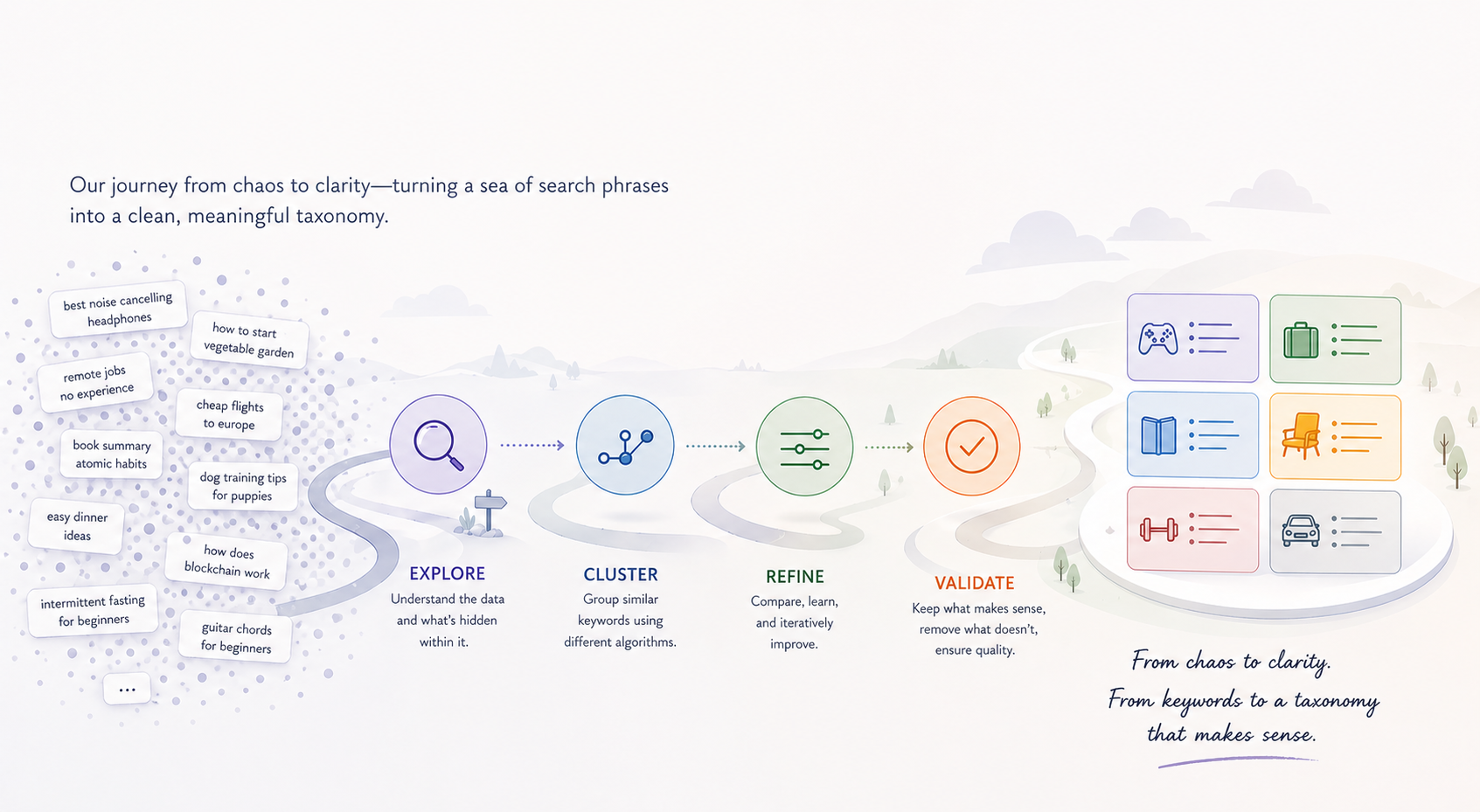
How We Made Sense of Thousands of Keywords
Our keyword clustering experiments were producing 1,189 groups out of 5,874 keywords — fragmented and barely useful. We walked through k-means, HDBSCAN, the Leader algorithm, and finally arrived at Leiden community detection, inspired by the open-source Graphify project.

Beyond Dashboards: A Five-Layer Architecture for Proactive AI Search Visibility
Reactive dashboards log what AI models said. Proactive systems detect why they will change. This paper outlines a five-layer engineering architecture for AI visibility: signal ingestion, influence modeling, narrative drift detection, confidence-weighted recommendations, and governed execution.
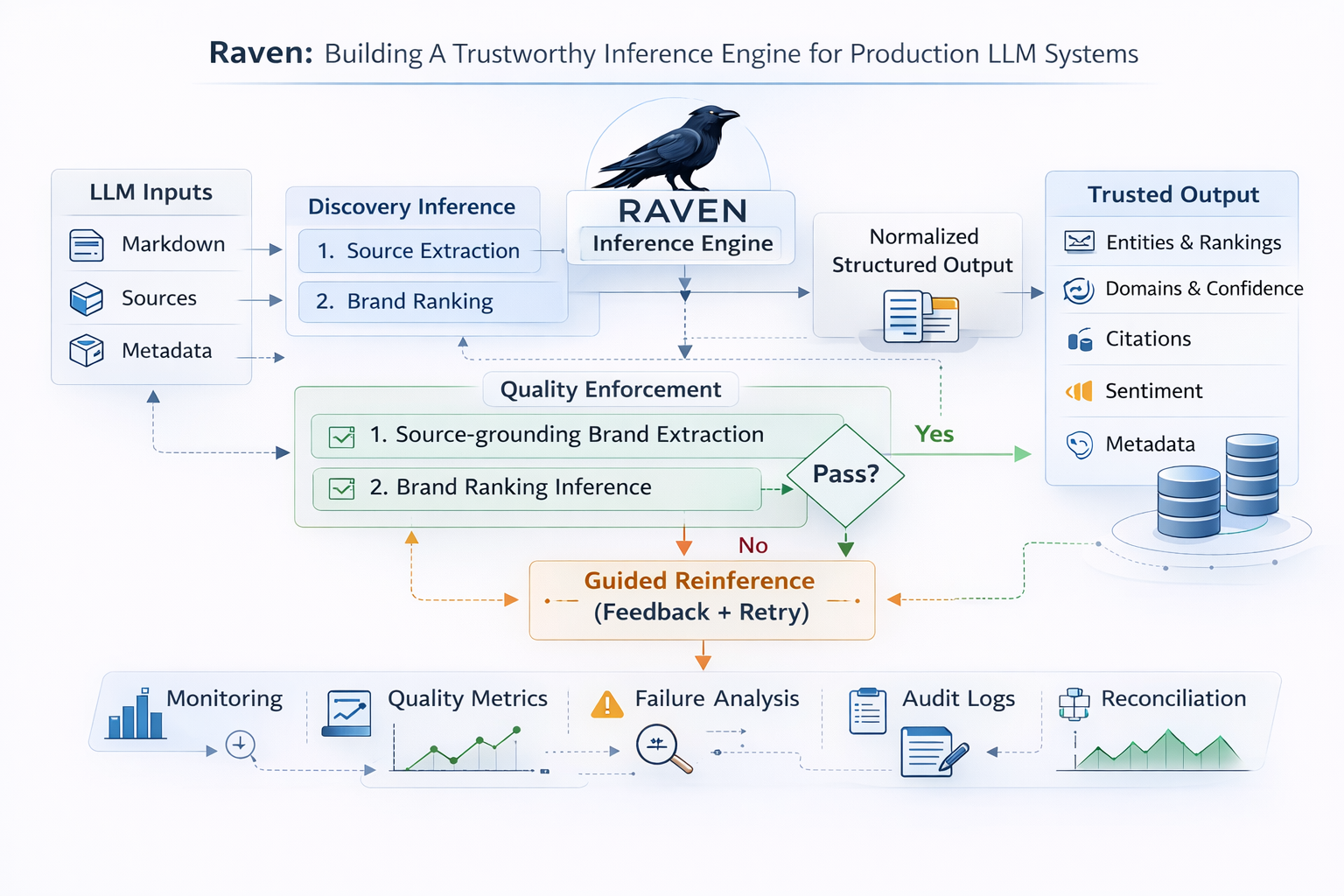
Raven: Building a Trustworthy Inference Engine for Production LLM Systems
How we built Raven, an accuracy-first inference engine that uses verification-driven quality loops to produce reliable structured outputs from messy LLM responses.

How LLMs decide who to cite: The mechanics behind AI Search visibility
Citations are now a primary discovery surface, but they remain unreliable enough that visibility without correctness becomes a brand risk. Seerly operationalizes this by tracking citation frequency alongside attribution correctness, so teams can measure where they show up and whether they are represented accurately.