Improving AI Search Visibility: A Case Study on Data Clarity and Discovery

The Challenge of Being Seen in AI Search
AI-driven search tools like Google AIO, ChatGPT, and Perplexity are changing how users discover brands. Instead of scanning ranked pages and blue links, users now receive synthesized responses drawn from multiple sources. That shift has made AI search visibility more complex and less predictable.
In January, TheGoodWeight.com, a health and weight management brand, onboarded with Seerly. Their traditional SEO traffic was stable. But they had almost no measurable presence inside AI-generated answers.
They weren’t asking, “Are we ranking on Google?”
They were asking, “Are we being mentioned when users ask AI tools about weight management solutions?”
That distinction changed everything.
We began working with TheGoodWeight.com in the second week of January, focusing exclusively on improving how AI systems interpreted and surfaced their content.
By February 10th, less than four weeks later, the team reported something unexpected:
They had started receiving paying customers who specifically said they discovered the brand through AI assistants.
That was the moment we knew AI visibility wasn’t theoretical. It was revenue-linked.
Step One: Defining What AI Search Visibility Really Means
Traditional visibility is about pages ranking high for certain queries. AI visibility is different. It’s about being represented in the language model outputs — the text answers that tools like ChatGPT or Google AIO generate.
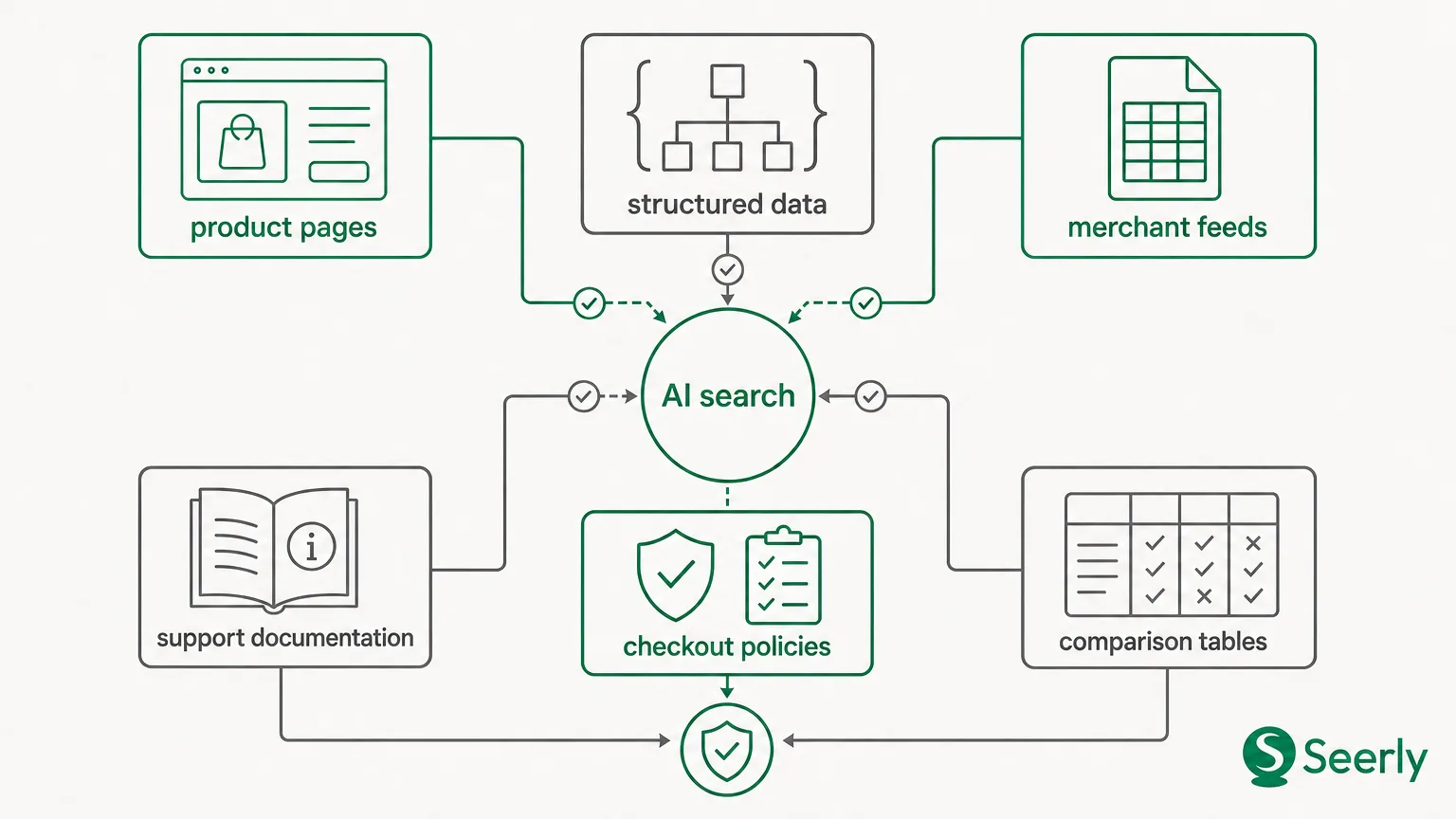
For instance, ChatGPT doesn’t show users where its answers come from unless those sources are cited in structured, crawlable formats. Citation patterns depend on metadata, structured data, and factual clarity. The same applies to Perplexity, which frequently lists sources but synthesizes its answers using machine-readable content.
When we explained this distinction to the team at TheGoodWeight.com, they quickly realized their site lacked machine-friendly signals. No structured tables, minimal metadata, and inconsistent schema usage. AI systems weren’t ignoring them — they simply couldn’t interpret the data reliably.
Step Two: Structuring Content for Machines and People
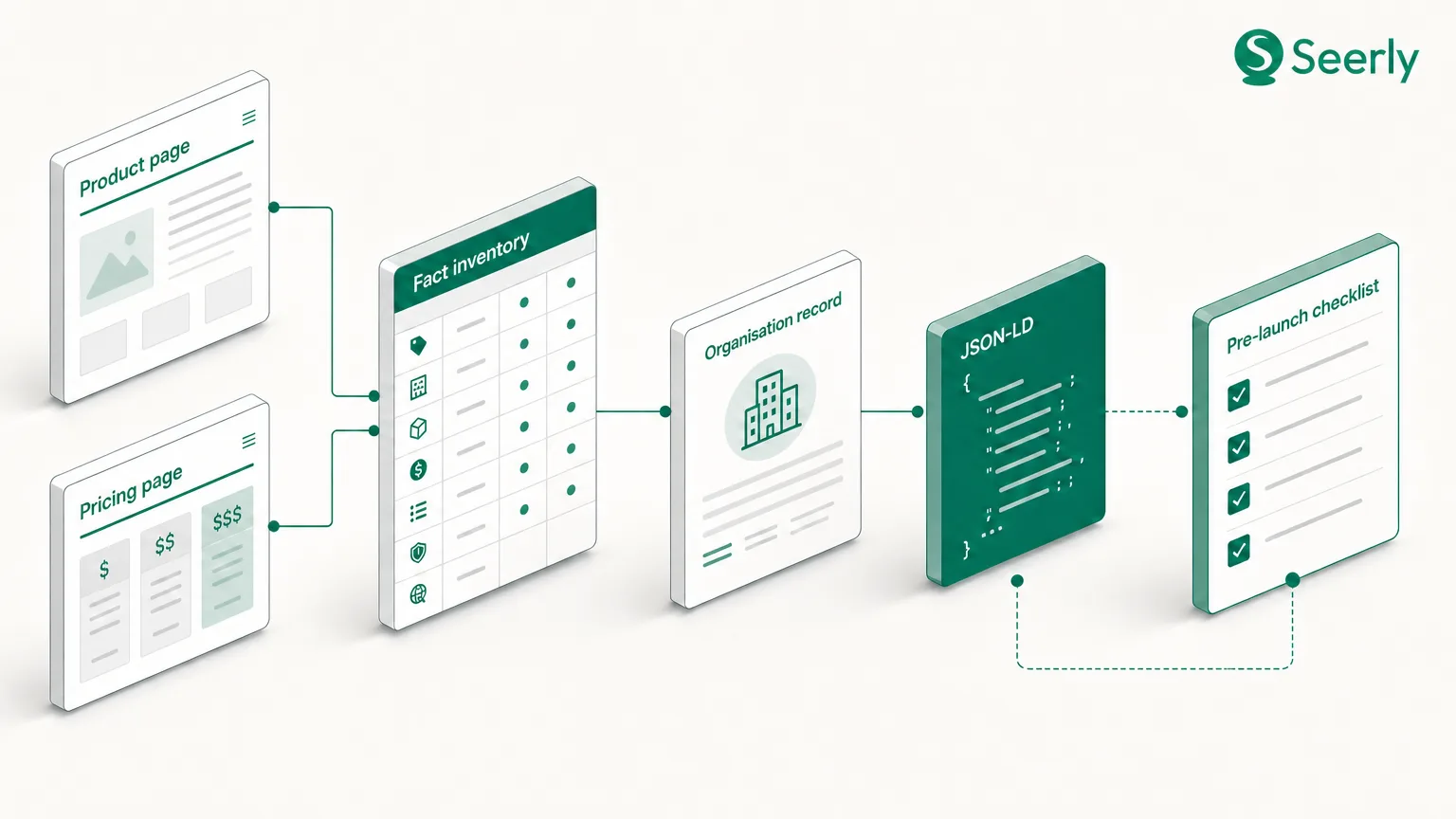
We restructured their content using a hybrid human-machine approach. Every major page was converted to a consistent micro-template:
-
Summary paragraph
-
Product data in structured tables
-
Key features with metadata
-
Short FAQ section with schema markup
Based on research and structured content best practices, we standardized key fields such as:
-
Program type
-
Pricing structure
-
Target audience
-
Delivery format
-
Duration
-
FAQs in structured Q&A pairs
Within two weeks, measurable changes appeared:
-
Perplexity began citing their data tables directly
-
Google AIO summaries included snippets from structured FAQs
-
ChatGPT started mentioning the brand in related tool comparisons
AI mentions grew by 68% month-over-month during the test period, even though traditional rankings remained largely unchanged.
Step Three: Comparing Outcomes Across AI Search Tools
Each AI engine responded differently:
Google AIO
More sensitive to metadata quality and page schema. Citations appeared only after standardized product markup was implemented.
ChatGPT
Responsive to concise factual pages written in clear language. Long marketing-heavy copy rarely surfaced.
Perplexity
Favored structured tables and semantically clear bullet points. Pages with visual clarity and structured data were cited more frequently.
By week eight, TheGoodWeight.com appeared in visible citations within Perplexity for 14 of 20 targeted query themes. ChatGPT surfaced their descriptions in answers roughly twice as often as before restructuring.
Timeline: January to February Impact
Week 1–2 (Mid January)
-
Structured content implementation
-
FAQ schema rollout
-
Metadata standardization
-
Dataset formatting for machine readability
Week 3
-
Initial Perplexity citations appear
-
Google AIO includes structured FAQ snippets
-
ChatGPT references brand in related prompts
Week 4 (By February 10)
-
First reported paying customers citing AI assistants as discovery source
-
Increased AI citation frequency across targeted queries
-
No major SEO ranking spike
The growth came specifically from AI-generated discovery.
Step Four: Using Seerly Analytics to Quantify Impact
Traditional analytics platforms cannot easily measure AI-generated visibility. Using Seerly, we tracked:
-
Citation frequency across AI engines
-
Query theme coverage
-
Excerpt extractions
-
Brand mention trends
-
Structured field correlation with AI inclusion
Seerly mapped when each piece of content was first recognized by AI systems, how often it resurfaced, and which structured elements correlated with higher mention rates.
This transformed abstract AI behavior into actionable business intelligence.
What Most Teams Get Wrong
Many teams treat AI visibility like traditional SEO by adjusting keywords and headers.
But language models parse context and structure, not just keywords.
We found that keyword density mattered far less than schema clarity, factual consistency, and structural repeatability.
In short:
AI visibility is not about ranking.
It is about interpretability.
Key Lessons from TheGoodWeight.com
-
AI reads structure before prose. Schema and metadata influence recognition more than creative writing.
-
Short FAQs outperform long narratives. Clear Q&A pairs are reusable by AI systems.
-
Consistency builds pattern recognition. Repeating structured fields across pages improves inclusion.
-
Visibility lags indexing. Allow 4–8 weeks for measurable AI surface changes.
-
Revenue impact can precede SEO impact. AI discovery may generate demand even without ranking shifts.
The Outcome: AI Visibility Converted Into Revenue
Within four weeks of restructuring for AI interpretability, TheGoodWeight.com experienced:
-
68% increase in AI citations month-over-month
-
Presence in Perplexity answers for 14 of 20 targeted queries
-
Increased ChatGPT surface frequency
-
Direct revenue attribution from AI assistant discovery
On February 10th, the team confirmed they had acquired paying customers who explicitly mentioned discovering them through AI tools.
No link-building campaign.
No ad spend increase.
No major ranking improvements.
Just structured clarity designed for AI systems.
AI search visibility is not an extension of classic SEO. It is a parallel discovery layer — and when optimized correctly, it produces measurable business outcomes.
Want to Track Your Own AI Search Presence?
Visit https://seerly.app to see how Seerly helps you visualize and improve your visibility across AI-driven platforms.