Research & Engineering
Research & engineering notes on how we build Seerly: infrastructure, product engineering, and AI search visibility measurement.
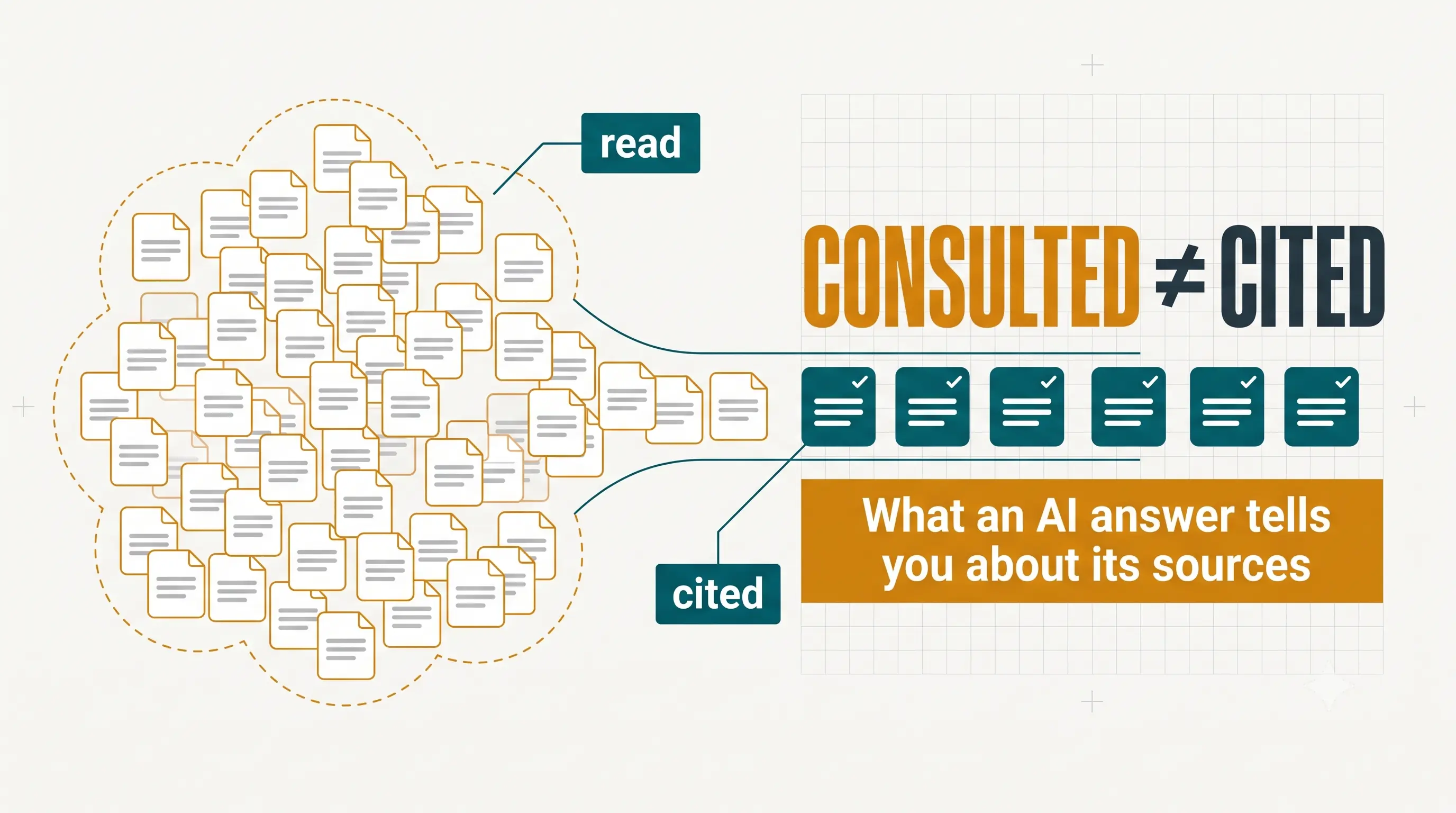
Consulted Is Not Cited: What Counts as a Citation in an AI Answer
Across 861 ChatGPT answers, the engine listed 31,981 pages and cited 4,817 of them. A citation count is only useful if every citation in it is a page a buyer could have clicked. This is how Seerly separates the pages an AI engine read from the pages it cited, the counting methods we weighed and rejected, and a design that does not depend on any single signal as ChatGPT, Perplexity and Google change how an answer is built.
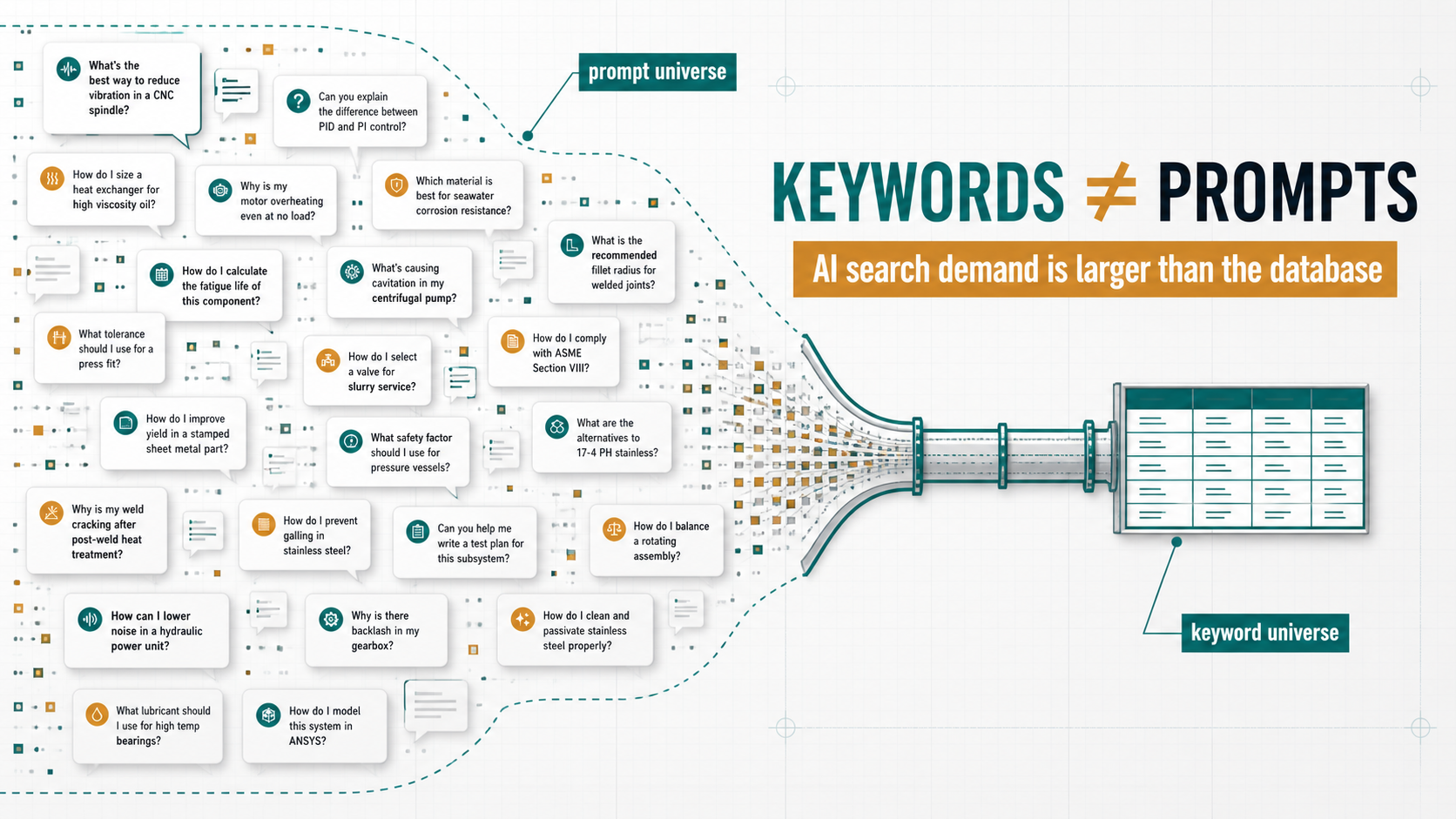
Keyword Research as a Proxy for AI Search Demand: How Far It Actually Holds
Keyword databases are built from search advertising data, and independent clickstream research puts 65% to 85% of AI prompts outside them entirely. This is how far that proxy holds across five engines, what a volume-ranked topic selector does to a specialist business, and why the string you measure should never be the string you publish.

Beyond Dashboards: A Five-Layer Architecture for Proactive AI Search Visibility
Reactive dashboards log what AI models said. Proactive systems detect why they will change. This paper outlines a five-layer engineering architecture for AI visibility: signal ingestion, influence modeling, narrative drift detection, confidence-weighted recommendations, and governed execution.

How LLMs decide who to cite: The mechanics behind AI Search visibility
Citations are now a primary discovery surface, but they remain unreliable enough that visibility without correctness becomes a brand risk. Seerly operationalizes this by tracking citation frequency alongside attribution correctness, so teams can measure where they show up and whether they are represented accurately.