Why OpenAI.com Referral Spikes Do Not Automatically Mean Your Brand Is Winning AI Discovery

Traffic from OpenAI surfaces can look like proof of momentum. Often, it’s only a hint. The real story sits one layer deeper.
A familiar scene is playing out in growth meetings right now. Someone pulls up analytics, spots a jump in traffic tied to openai.com, and the room gets a little louder. A founder asks if the brand is finally breaking through in AI discovery. A marketer starts drafting a slide with words like momentum and early lead. The spike feels meaningful because it arrived wrapped in prestige.
I think that reaction is understandable. I also think it’s dangerous.
OpenAI has become a huge reference point in how people explore products, research vendors, and sanity-check buying decisions. GPT-4 itself drew broad attention for scoring highly on a range of academic and professional-style evaluations, including passing a simulated bar exam in the top percentile range in OpenAI’s own reporting and technical paper (top-percentile simulated bar exam performance, technical report details). So when traffic appears to come from an OpenAI-related surface, teams naturally assume they’re being surfaced where demand is forming.
But a visit is not proof of durable presence. And durable presence is not the same thing as commercial traction. If you only remember one thing from this piece, make it this: source spikes matter only when they line up with prompt-level presence, branded-query coverage, and downstream engagement quality.
Why OpenAI traffic creates a measurement trap
The trap starts with attribution. Analytics tools like neat buckets. Operators like clean stories. OpenAI-related traffic gives you neither.
A referral tied to openai.com can mean a lot of different things. Someone may have clicked your site from a chat result. They may have copied a URL manually after seeing your brand mentioned. A browser, app wrapper, or redirect layer may have shaped the source in a way your dashboard simplifies. And sometimes the visit came from curiosity, not intent. That last one matters more than people admit.
Look, when a source feels new, teams often overvalue it. I’ve seen the same pattern with early social channels, product listing sites, and “dark” sources that later turned out to be weak buyers. The novelty premium kicks in. We assign strategic meaning before we’ve checked buyer quality.
OpenAI’s scale makes that mistake easier to make. Reports in 2025 claimed the company had hit $10 billion in annualized revenue, while separate reporting described a business still burning cash hard even as usage surged (made billions while posting heavy losses). Big audience. Big attention. Big temptation to read every nearby signal as a win.
That’s the measurement trap: a growing source category can create the appearance of market pull even when your brand has only brushed against the edge of it. Not ideal.
A quick definition block
OpenAI-related referral signal: any visit, mention, or source pattern that suggests a user encountered your brand through an OpenAI-owned or OpenAI-associated surface.
That definition is broad on purpose. Broad signals need stricter interpretation.
What an OpenAI-related signal can and cannot tell you
Here’s where teams need sharper language. People use “traffic,” “mention,” and “visibility” like they mean the same thing. They don’t.
A visit
A visit tells you someone reached your site. Useful, yes. But it says almost nothing on its own about why they came, what prompt triggered the journey, or whether you were one option among many. A single visit could come from a low-intent question, a passing mention, or a copied link in a team chat.
A brand mention
A mention tells you your name appeared somewhere in an answer or conversation. Better than silence. Still thin. Mentions vary wildly in value. Being listed fifth in a broad response is not the same as being named first in a high-intent buying query.
A citation or linked reference
A citation is stronger because it points to a specific page or source. Even then, don’t overread it. One cited page can reflect a narrow topic match rather than broad market presence. The thing is, citation without repetition is a weak moat.
Recurring presence across commercial prompts
Now we’re getting somewhere. Recurring presence means your brand keeps appearing when buyers ask high-intent questions like “best tools for X,” “alternatives to Y,” or “software for teams with Z workflow.” That pattern says more than traffic alone because it captures consistency. And consistency is what market memory looks like.
So what can OpenAI tell you? It can tell you where to investigate. It can hint that your brand may be entering AI-mediated research flows. What can’t it tell you? It can’t tell you that you’ve won. Not by itself.
A practical model for interpreting OpenAI-source activity
I prefer a simple workflow here because otherwise teams drift into storytime. If you want to know whether OpenAI-source activity matters, check it in this order.
1. Separate volume from quality
Start with raw visits from OpenAI or adjacent source labels. Then compare them with engagement and conversion behavior. Check bounce rate, pages per session, time on site, demo requests, signups, and assisted conversions. If the spike brought lightweight sessions with fast exits, you’re probably looking at curiosity clicks.
A boring truth: low-volume, high-intent traffic is worth more than a flashy spike that dies on contact.
2. Map visits to prompts
Ask what kinds of questions likely produced those visits. Branded prompts? Category prompts? Competitor comparison prompts? Without that layer, you don’t know if users sought you out or stumbled into you. At Seerly’s competitive intelligence workflow, this is the kind of gap I’d want closed before any team calls a source strategic.
You won’t get perfect attribution here. That’s fine. Direction beats false precision.
3. Check repeat appearance
One appearance can happen because your site matched a narrow fact pattern. Repeat appearance across related prompts is more persuasive. Audit a cluster of buying questions over a week or two. Then look again. If your brand vanishes after one pass, don’t call it momentum.
Honestly, I think this is the most missed step.
4. Compare against named competitors
Traffic without competitor context is half a dashboard. If your visits rise but rivals still dominate high-value prompt space, your commercial position may not have changed much. That’s why I’d pair source analysis with a direct review of what competitor intelligence tools should actually help you see. Brand performance only makes sense in relative terms.
5. Look for branded-query reinforcement
Did the OpenAI-source spike coincide with more searches for your brand name, more direct traffic, or more returning users? If yes, that’s a stronger sign people remembered you. If not, the mention may have generated a click but not much recall.
6. Judge downstream fit
Then ask the hardest question: did the traffic behave like your best buyers? If not, you may be measuring noise with good branding attached to it. Big difference.
A worked example: the spike that looked better than it was
Let’s say a SaaS app for user research sees 420 visits in one week attributed to an OpenAI-related source. That’s up from 70 the week before. The team gets excited, and I get it. A sixfold jump feels like a breakthrough.
At first glance, the numbers look promising. Sessions rose. Direct visits ticked up a little. Two signups came in on the same day as the spike. Someone on the team argues that ChatGPT must be recommending them more often.
Then they dig.
They review the prompt set most likely to matter commercially: “best user research platforms,” “tools like Maze,” “software for product interview analysis,” and “survey analysis tools for SaaS teams.” Across those high-intent prompts, competitors appear repeatedly while their own brand shows up only on a niche question about transcription workflows. That changes the story fast.
The referral spike came from a narrow answer cluster. Users landed on a blog post, skimmed for under 40 seconds, and bounced at a much higher rate than branded traffic. The two signups? One never activated. The other came from a founder who already knew the product and was just testing a new route to the site.
Point being, the source spike was real. The commercial signal was weak.
I’ve seen versions of this before. Teams confuse “we were discoverable in one AI-mediated path” with “we are present where buyers decide.” Not the same thing. If they had reviewed prompt coverage and rival appearance patterns first, they would have framed the week very differently. A better next move might have been to study competitor analysis in the AI era rather than celebrate the traffic chart.
What growth teams should add to weekly reporting
Weekly reporting gets sloppy when a new source appears. So tighten it. Don’t let a single referral label carry the narrative.
Use this checklist
-
OpenAI-source sessions
- Track raw volume, but always place it beside prior-week trend and share of total acquisition. A jump from 8 to 40 visits can look dramatic while still being commercially tiny.
-
Prompt coverage snapshot
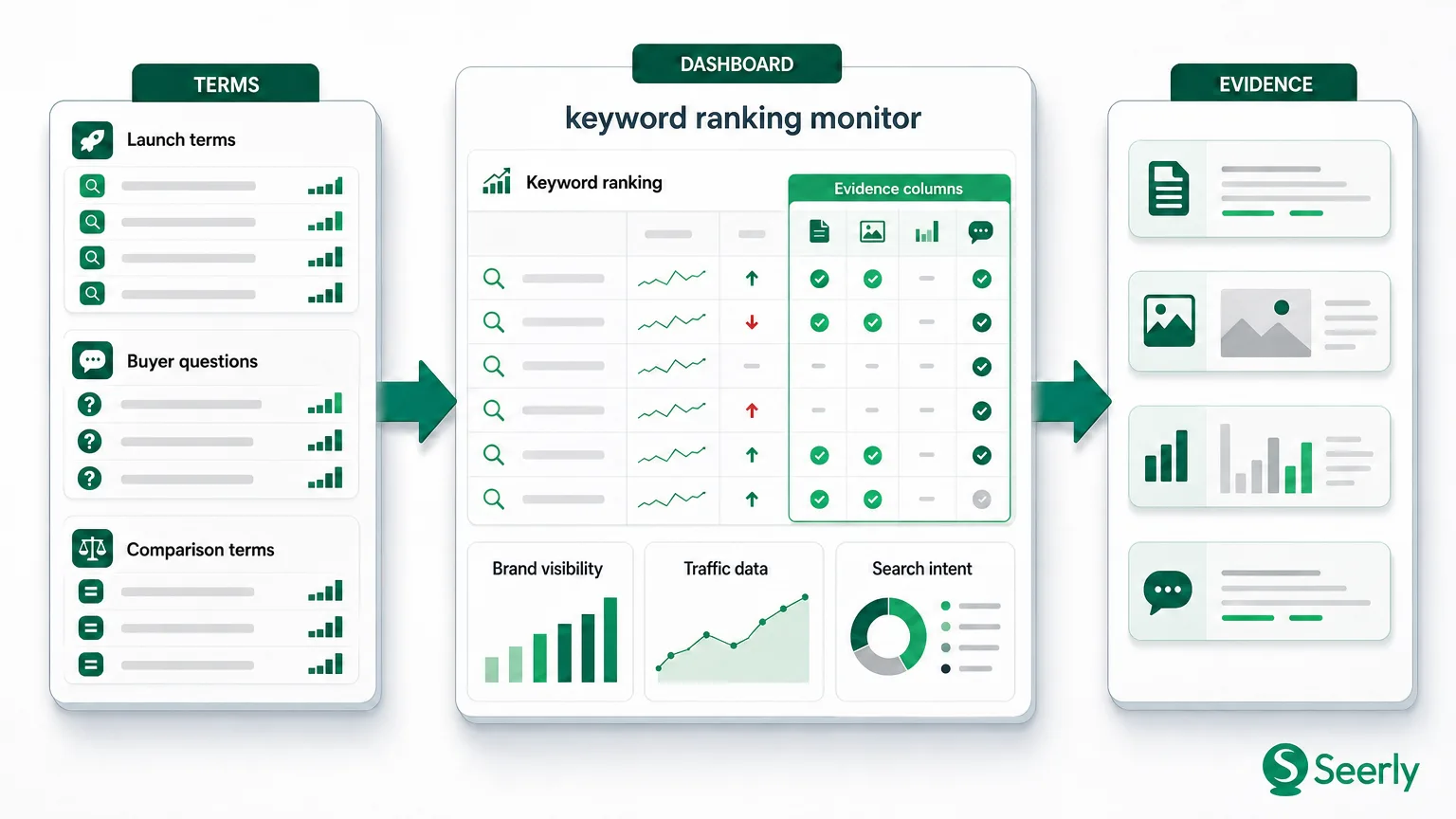
- Review a fixed set of high-intent prompts each week. Count where your brand appears, where competitors appear, and where nobody has a clear lead. Keep the prompt set stable enough to notice movement.
-
Appearance frequency
- Note whether the brand appears once, intermittently, or repeatedly across similar queries. Repeat presence matters more than one lucky inclusion.
-
Landing-page quality
- Log which pages received the visits. If the traffic lands on top-of-funnel educational posts but never reaches product pages, your discovery path may be weak.
-
Engagement quality
- Compare session depth, return rate, and conversion behavior with branded search, direct traffic, and paid campaigns. Don’t grade a source on volume alone.
-
Competitor displacement check
- Ask a blunt question: did we replace a rival in a buying conversation, or did we appear in a low-stakes informational answer? That answer should sit in the report, even if it’s uncomfortable.
-
Narrative discipline
- Add one sentence of interpretation, not a victory lap. Something like: “OpenAI-source traffic increased, but prompt coverage in commercial queries remains thin.” Clean. Honest. Useful.
And if your team needs a more stable workflow, monitoring brand presence across AI chats and search-style results will give you a better read than source spikes alone.
FAQ
Can one OpenAI referral source be trusted on its own?
No. One source can point you toward a trend, but it can’t confirm durable market presence. You need prompt review, competitor comparison, and downstream performance data before you can say the pattern means anything commercially.
How often should teams audit OpenAI-related signals?
Weekly is good for active programs. Monthly can work if traffic is still tiny. But after any noticeable spike, I’d run a prompt-level audit within a few days while the pattern is still fresh.
When should a company invest in dedicated monitoring?
Once AI-assisted discovery starts showing up in reporting often enough to influence budget conversations, it’s time. Another trigger: when leadership keeps asking if brand mentions are turning into pipeline and your team keeps answering with shrugs.
Do mentions from OpenAI surfaces matter if traffic stays low?
Yes, sometimes. Low traffic with high repeat appearance on commercial prompts can be more valuable than a noisy burst of visits. The question is where your name appears, how often, and what happens after people click.
Is GPT model progress part of why these referrals matter more now?
Probably. OpenAI’s model line has kept improving on reasoning, multimodal use, and broad public awareness, with GPT-4 widely framed as a major step up in capability by both OpenAI and outside coverage (major model capability jump described by OpenAI, outside reporting on GPT-4’s launch). More user reliance on these systems means referral patterns deserve attention. They still don’t deserve blind trust.
A spike from openai.com should make you curious, not confident. Audit the prompts. Check who else appears. Compare click quality with buyer-quality traffic. Then decide whether you’ve found an early sign of traction or just a noisy signal wearing a famous label.
If you want a cleaner way to track that difference, use Seerly to monitor whether OpenAI-related traffic lines up with sustained answer presence and competitor movement rather than isolated referral noise. Learn more at seerly.app.