Why AI Search Is the Next Growth Lever for Health and Wellness Brands
I watched someone buy ashwagandha the other day.
Not in a store. Not on Amazon. She opened ChatGPT on her phone during a lunch break, typed in "best ashwagandha for stress and sleep that won't make me groggy," read the answer for about forty seconds, clicked through to one of the brands mentioned, and ordered it.
No Google. No scrolling through blog posts. No opening five tabs to compare labels.
One question. One answer. Done.
And she's not unusual. This is how a growing chunk of health-conscious consumers are making supplement and wellness decisions right now. It's quiet, it's fast, and most brands have no idea it's happening.
The Shift Nobody Talks About at Conferences
Everyone in wellness marketing talks about influencer strategy and performance ads. Those matter. But something else has been building underneath, and it doesn't show up in your Google Analytics dashboard.
A Vitamin Shoppe-commissioned survey of 2,000 U.S. adults, conducted by Talker Research in 2025, found that 35 percent of Americans already use AI to manage or learn about their health and wellness. Not just for general questions. For actual buying decisions. 63 percent said they find AI reliable for health guidance, and a full quarter are using AI to fact-check advice they get from doctors, friends, or social media.
That's not early adopter territory. That's mainstream.
Meanwhile, an Omnisend survey of 1,224 U.S. shoppers from July 2025 found that 59 percent are already using generative AI tools for shopping tasks. 25 percent specifically said ChatGPT is more helpful than Google for product research. The reluctance to let AI help with purchases dropped from 66 percent in February to just 32 percent by July.
In five months, skepticism nearly halved.
A Story That Plays Out Thousands of Times a Day
Here's how this actually works in practice.
A 32-year-old woman in Pune has been dealing with thinning hair. She's tried a couple of biotin supplements from Amazon but nothing changed. She doesn't trust the reviews anymore because half of them feel paid for. Her dermatologist suggested she look into specific forms of biotin combined with iron and zinc, but didn't recommend a brand.
So she opens ChatGPT and types: "What's the best supplement for hair thinning in women that has biotin, iron, and zinc together? Available in India, no artificial fillers."
The AI comes back with three or four options. It explains the difference between biotin forms, mentions which brands use third-party testing, and flags one that has high reviews for women specifically. She picks one and buys it within minutes.
That entire journey, from confusion to purchase, happened without Google, without Instagram, without a single retargeting ad. And whatever brand she chose didn't just "rank" somewhere. It was actively recommended by the AI.
The brands that weren't mentioned? They might as well not exist.
India's Wellness Market Is Enormous, and It's All Search-Led
India's nutraceuticals market was valued at roughly $32 billion in 2024 according to Grand View Research, and is projected to reach over $75 billion by 2033 at a 10 percent CAGR. The dietary supplements segment alone is growing at over 13 percent year-on-year. D2C brands like Plix and Wellbeing Nutrition have built entire businesses on search-driven digital discovery, and legacy players like Dabur are now launching digital-first wellness brands (Siens, launched June 2025) to keep up.
But here's the part that matters for AI visibility: most of this discovery is non-branded.
People don't start by searching for "Himalaya ashwagandha" or "HealthKart whey protein." They start with questions:
- "best protein powder without artificial sweeteners India"
- "ashwagandha vs melatonin for sleep"
- "supplements for PCOS hair loss"
- "immunity booster for kids that actually works"
- "collagen powder for skin, vegetarian, no sugar"
These are the exact types of queries that AI tools handle beautifully. And when a consumer asks ChatGPT or Perplexity instead of Google, the entire concept of "ranking on page one" becomes irrelevant. There is no page one. There's just the answer.
AI Doesn't Recommend the Way Google Ranks
This is the part most wellness brands haven't internalized yet.
Avenue Z, a marketing intelligence firm, published a series of AI Visibility Index reports in late 2025 that looked at how AI platforms actually recommend supplement brands. Their multivitamin study analyzed 82 brands across ChatGPT, Google AI Overviews, and Perplexity.
The findings were stark.
The top 10 brands captured nearly two-thirds of all AI mentions. More than 20 percent of brands didn't appear even once. Nature Made showed up in 85 percent of AI responses, while dozens of competitors were completely invisible.
This isn't a gentle ranking curve. It's a cliff. You're either in the conversation or you're not.
What made it even more interesting was how differently each platform sourced its answers:
- ChatGPT leaned heavily on editorial sources (roughly 77 percent), pulling from product roundups, expert reviews, and health publications. Brand-owned content accounted for just 13 percent.
- Perplexity split nearly 50-50 between editorial sources and brand-owned or corporate content.
- Google AI Overviews had the most diverse mix, including the highest proportion of institutional references like hospitals and universities (6 percent), signaling that clinical credibility carries extra weight there.
No two platforms trust the same type of content equally. And in every case, brands that regularly showed up in independent "best of" lists, had strong consumer review sentiment, and maintained clear niche positioning (prenatal, vegan, personalized) performed best.
You can't buy your way into these answers. There's no sponsored slot.
The Wellness Category Has a Trust Problem That AI Actually Solves
One reason AI search is gaining so much traction in health and wellness specifically is that consumers are genuinely overwhelmed.
The supplement aisle, online or offline, is chaos. There are thousands of products with similar-sounding claims, inconsistent labelling, and questionable dosing. NutraIngredients reported that somewhere between 60 and 80 percent of supplements on the market lack proper scientific validation. Omega-3s alone show up 70 different ways on labels. Different forms of magnesium get lumped together by AI bots and consumers alike, even though they do very different things.
Consumers know this. They feel it every time they try to compare two products. That's exactly why they're turning to AI. Not because it's trendy, but because it promises to cut through the noise.
When ChatGPT gives a recommendation, there's an implicit endorsement. Multiple studies show AI-referred traffic converts at two to three times the rate of traditional search traffic. Microsoft Clarity found AI traffic converts at 3x the rate of other channels. Consumers are more likely to skip verification after getting an AI answer. They don't cross-check with Google. They just act.
For a category built on trust, being the brand that AI recommends is becoming the most valuable position you can hold.
Your Analytics Are Lying to You
Here's the uncomfortable part.
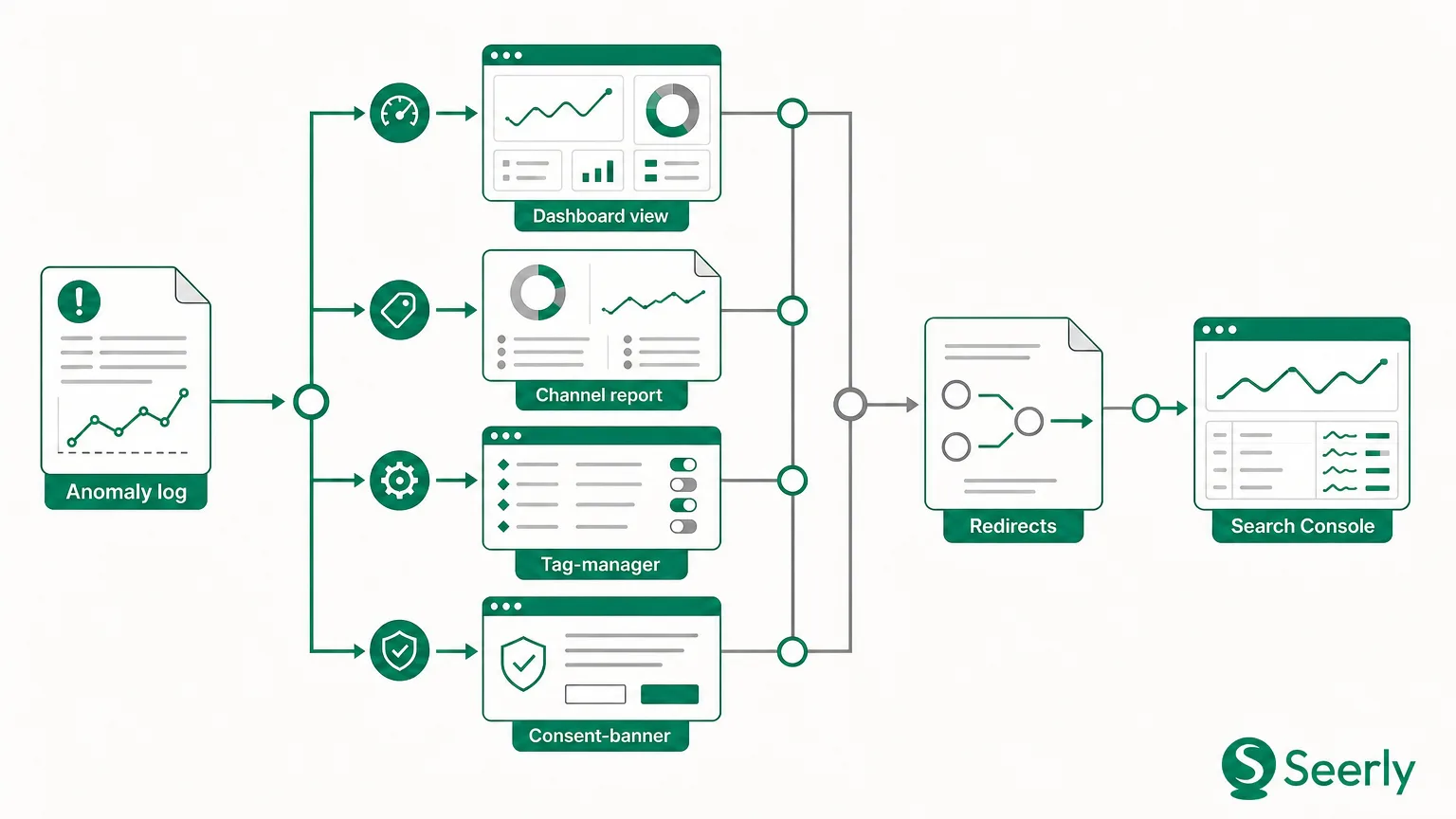
If someone discovers your brand through ChatGPT and then goes to your website directly, or types your brand name into Google, that shows up in your analytics as "direct traffic" or "branded search." The AI touchpoint is invisible.
Most wellness brands are looking at their dashboards right now and seeing stable traffic patterns. What they're missing is that the source of that awareness is shifting underneath them. Some of those "direct" visits started as AI conversations. And when a competitor starts getting mentioned more by AI and you don't, the dip won't look like an AI problem. It'll look like a brand awareness problem. You'll spend money on the wrong fix.
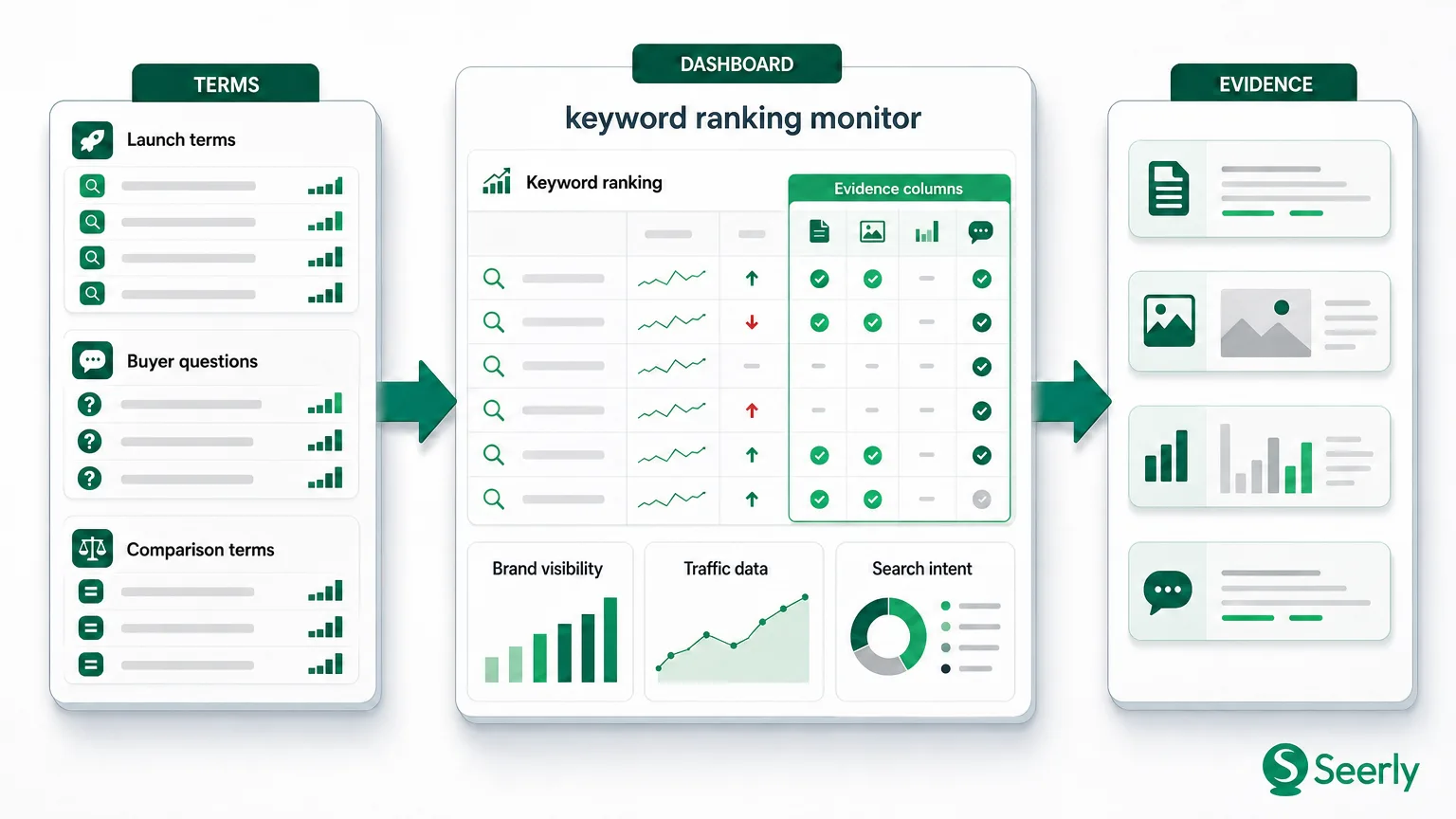
This blind spot is real, and it's getting wider every month. The brands that start monitoring their AI visibility now, tracking which queries return their name, which competitors are getting cited, and what language the AI uses to describe their products, will be the ones who catch the shift early enough to act on it.
What Wellness Brands Should Actually Do About This
This isn't about replacing your SEO strategy. Google still drives enormous volume. But optimizing only for traditional search is like running ads only on television in 2015. It still works, but you're ignoring where attention is moving.
Here's what actually moves the needle for AI visibility:
Get into independent editorial content. ChatGPT sources roughly 77 percent of its supplement recommendations from editorial content like product roundups, expert reviews, and health publications. If your brand isn't showing up in those articles, you're invisible to ChatGPT's users. Invest in PR, expert relationships, and getting featured in credible "best of" lists.
Be specific about what you're good at. AI systems favor brands with clear niche positioning. "We make supplements" is too broad. "Clinically dosed Ayurvedic adaptogens for women's stress and sleep" gives the AI something concrete to match against a user's query. The more specific your positioning, the more likely you are to be recommended for the right questions.
Make your clinical credibility machine-readable. Third-party testing results, FSSAI certifications, GMP compliance, published clinical studies. All of this matters, but only if it's clearly structured on your website. Use schema markup. Create dedicated pages for your testing and sourcing transparency. AI systems can't recommend what they can't parse.
Build your review ecosystem. Consumer chatter, positive reviews, and consistent sentiment across platforms are strong signals for all AI platforms. Brands like Ritual and Thorne consistently rank high in AI recommendations partly because their review volume and sentiment are strong across multiple platforms.
Monitor your AI visibility. Tools like Seerly now track brand mentions across ChatGPT, Perplexity, and Google AI Overviews. If you're not tracking this, you're flying blind on the fastest-growing discovery channel.
Create comparison and education content. "Ashwagandha vs rhodiola for stress." "Whey protein vs plant protein for beginners." "Biotin dosage for hair growth: how much is enough?" These head-to-head, question-answering formats are exactly what AI systems pull from when synthesizing answers. Build a library of them.
The Window Is Open, But Not for Long
AI systems learn from existing authoritative data. The brands that establish credibility, clarity, and visibility now are training the next generation of AI recommendations in their favor. This creates a compounding advantage that will be very difficult for latecomers to overcome.
India's wellness market is massive, growing fast, and increasingly digital. The consumers driving that growth are younger, more research-oriented, and more comfortable with AI than any generation before them. 73 percent of Americans say they want to stay current with health trends, and 68 percent believe AI will play an even bigger role in wellness going forward. India, with its rapid digital adoption and booming D2C ecosystem, will likely follow the same curve even faster.
The question for health and wellness brands isn't whether AI search matters. That's already settled. The question is whether your brand is part of the answer when someone asks.
Sources and References
- The Vitamin Shoppe / Talker Research, Annual Wellness Trend Report: 35% of Americans Use AI for Health (2025). Reported by Fox News and CyberGuy
- Omnisend / Cint, Survey of 1,224 U.S. Shoppers: 59% Use Gen AI for Shopping (July 2025). Reported by Chief Marketer
- Avenue Z, Stocked by AI: Multivitamin Brands That Make It to the Shelf (AIVx Mini Report, October 2025). Avenue Z Blog
- Avenue Z, Who's Winning in AI Search? Greens & Gut Health Brands (AIVx Mini Report, 2025). Avenue Z Blog
- Grand View Research, India Nutraceuticals Market Size: $32.14B in 2024, Projected $75.81B by 2033. Grand View Research
- NutraIngredients, How AI Is Changing the Way Supplements Are Shopped and Purchased (February 2026). NutraIngredients
- Microsoft Clarity / Adobe, AI-Referred Traffic Converts at 3x the Rate of Other Channels (2025). Referenced via Superlines
- Capgemini Research Institute, 71% of Consumers Want Generative AI Integrated Into Shopping Experiences. Capgemini