7 Proven Ways to Improve AI Search Visibility and Outrank Competitors

AI-driven search systems are changing how people find and evaluate information. The way content appears in AI-generated results - from assistants like ChatGPT to Bing Copilot - depends on more than just traditional SEO. AI search visibility now measures how clearly your brand or content surfaces in these intelligent interfaces. And getting it right can mean the difference between being cited or being invisible.
In this listicle, we'll walk through seven data-backed tactics that help improve AI search visibility and strengthen your AI search rankings. Each point is grounded in practical insights and examples from brands already adapting to the shift toward AI contextual search.
1. Understand How AI Search Engines Parse Context
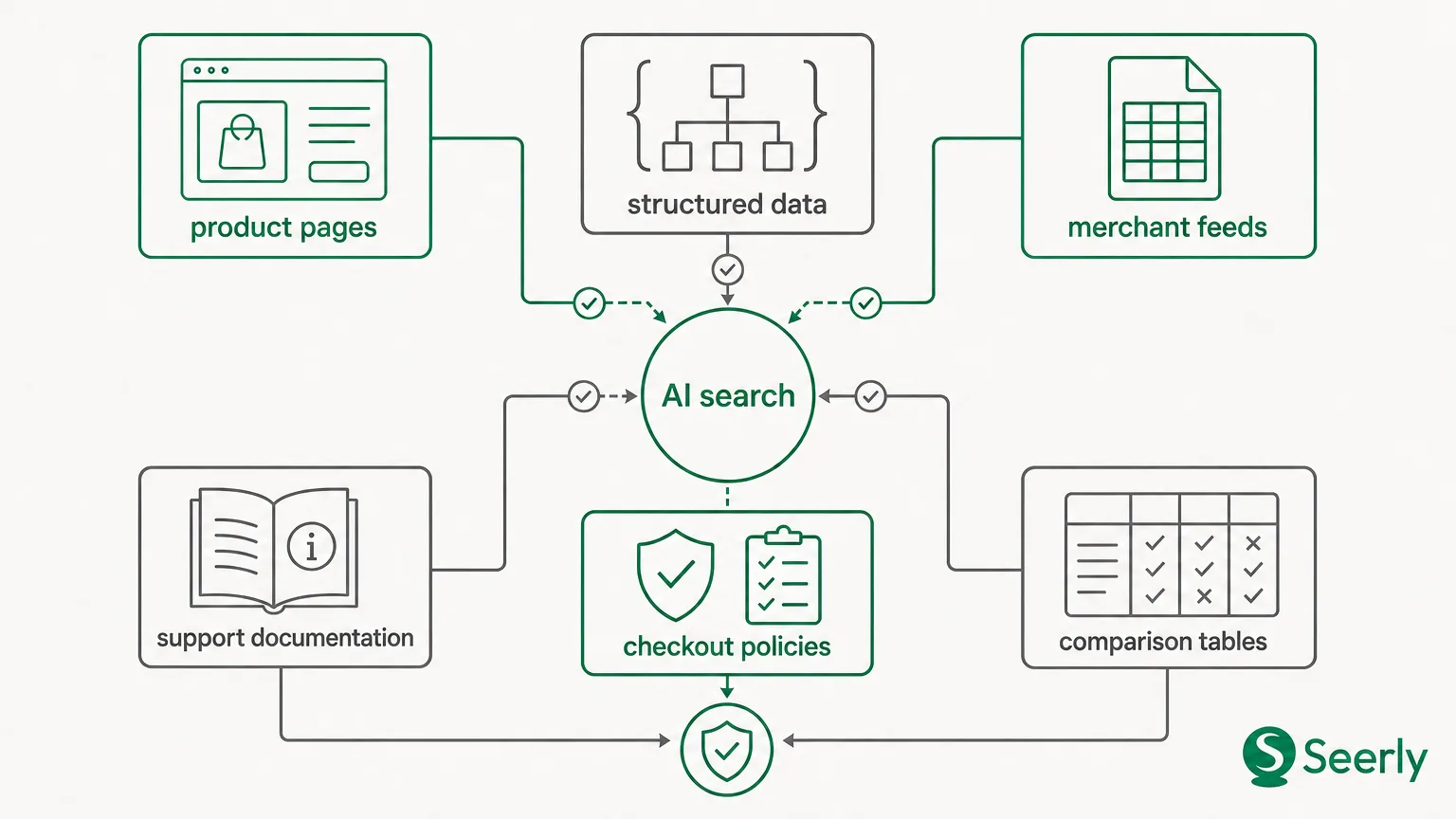
AI agents don’t just match keywords - they interpret meaning. Modern language models like GPT-4 or Gemini connect questions to intent, then summarize multiple sources. So if your pages only rely on optimized headlines but ignore context, AI may skip them entirely.
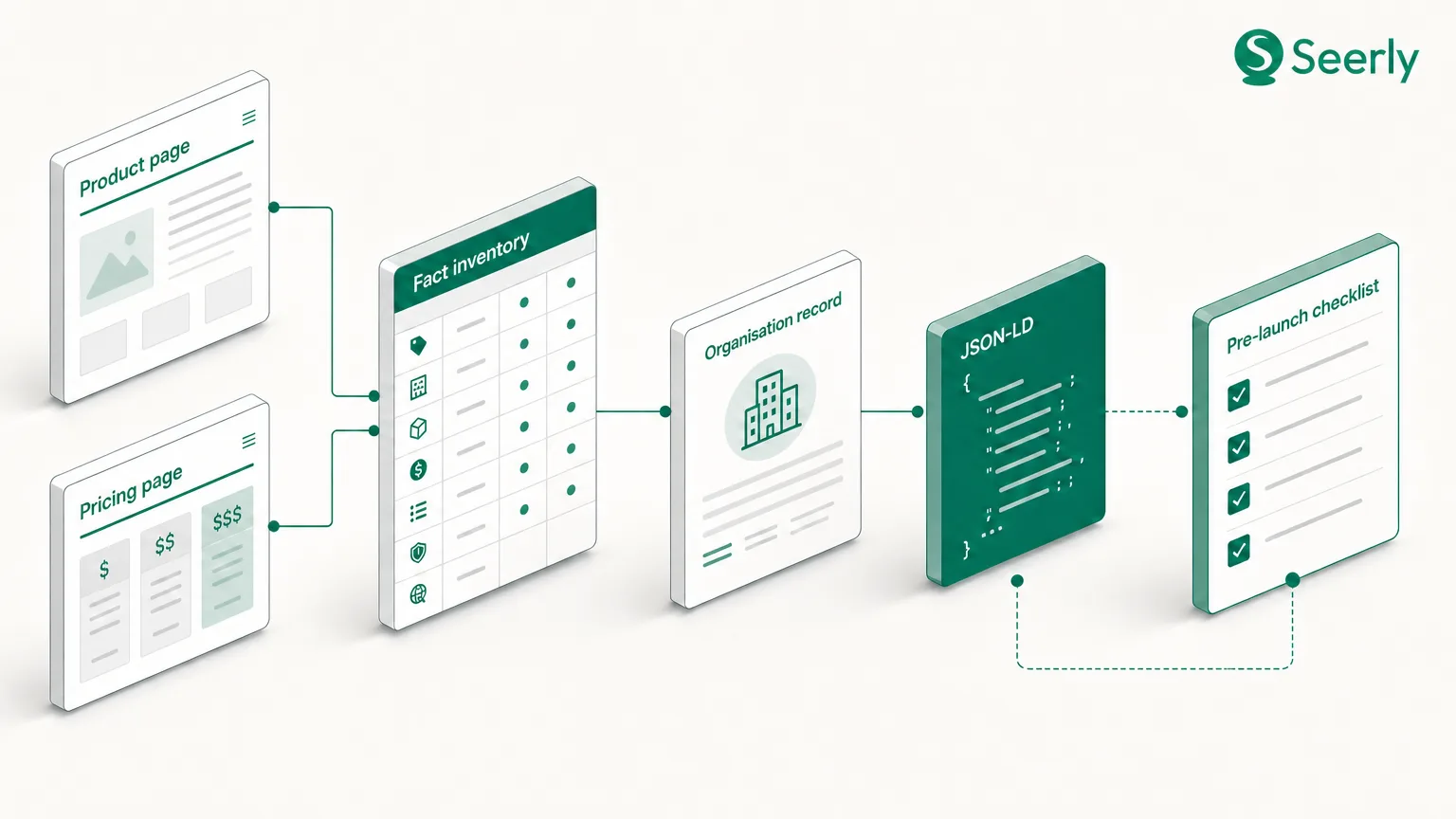
To align your content, focus on semantic structure. Use clear subheadings, well-defined entities, and schema markup so algorithms can categorize you accurately. For instance, defining your business type and core topics in structured data helps AI understand relationships within your site.
Companies such as Google openly share how structured information informs results. Keep metadata informative, concise, and consistent across your entire website.
Key takeaway: Write your content so both humans and machines can infer purpose at a glance.
2. Prioritize Topical Depth Over Keyword Density
Traditional keyword repetition matters less when AI models determine relevance contextually. They map the relationships between subjects, not just phrases. Pages rich in insights across related themes achieve better AI search visibility because they satisfy multiple aspects of a query.
So instead of cramming in repetitive terms, expand vertically and horizontally within your topic cluster. For instance, an article on “retail analytics” could also cover customer flow prediction, inventory optimization, and pricing intelligence - cross-references that strengthen topical authority.
Top-ranking results frequently display content variety and depth rather than keyword frequency. If you’re not sure which subtopics matter, tools like Seerly can help visualize how your topics align and identify missed periphery concepts that AI models might value.
Key takeaway: Broaden coverage around your main keyword rather than repeating it.
3. Use Structured Data and Schema to Improve AI Search Rankings
Schema markup isn’t just for search snippets anymore - it helps machine learning models contextualize what your page represents. Including schema for products, FAQs, authors, or organizations increases your appearance rate in AI-generated summaries because the model reads clearer relationships.
Brands that integrate structured data across pages often see measurable improvement in AI-derived mentions. For example, schema usage raised product visibility by 25% in an Ahrefs study. The more interpretable your dataset, the easier it is for AI to represent your content correctly.
When implementing, validate your schema using Google’s Rich Results Test, and update with JSON-LD instead of microdata formats.
Key takeaway: Schema is like metadata for AI cognition - your AI search rankings depend on it.
4. Build Trust Through Consistent Technical Signals
AI search visibility doesn’t rely solely on text relevance. The trustworthiness of your domain affects how often you’re surfaced. Factors include load time, HTTPS stability, authorship transparency, and updated last-modified signals.
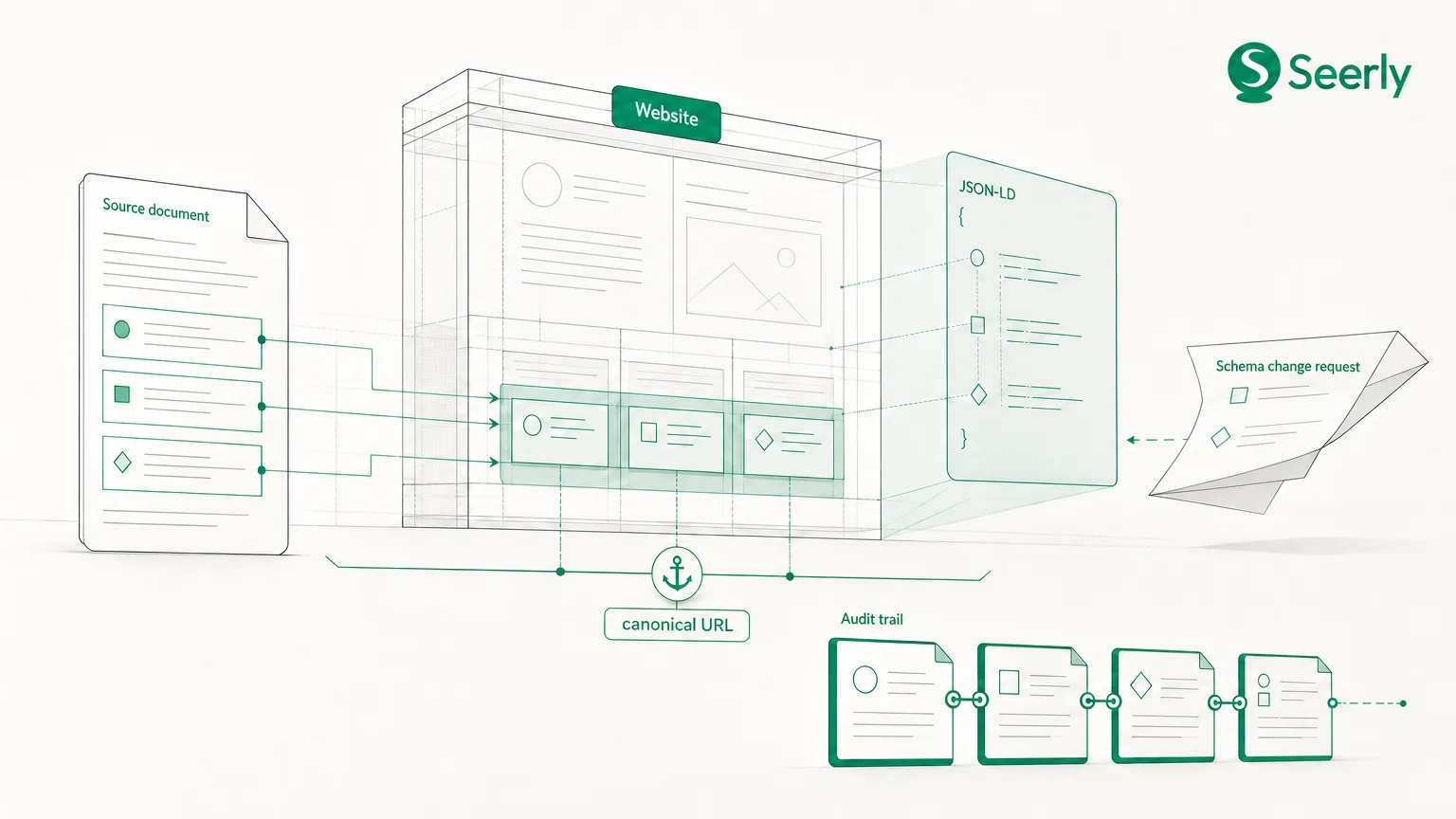
When AI systems select snippets, they prefer technically consistent sources. It’s common to see slower or inconsistently maintained sites ignored even when their content quality is decent. So regular audits - checking broken links, canonical tags, and structured consistency - are essential.
At Seerly, we track fluctuations in visibility scores across thousands of domains and see a direct link between uptime reliability and AI excerpt frequency. A steady backend equals higher AI citations.
Key takeaway: Keep your backend technically sound; AI doesn’t feature unstable sources.
5. Integrate Author Transparency and Expertise Signals
Generative search prefers known authorities. Source attribution is driven by perceived expertise, author bios, and publication provenance. That means displaying credentials, links to primary sources, and references helps AI choose your work over anonymous material.
For example, the Google E-E-A-T (Experience, Expertise, Authoritativeness, Trustworthiness) framework heavily informs how AI systems rank confidence in outputs. Indicating clear authorship improves your brand’s reputation in machine-readable form.
Practical step: Add verifiable links to research or data you cite, and maintain consistent profiles across professional platforms. Seerly’s analytics can reveal how author credibility correlates with visibility shifts over time.
Key takeaway: Transparency helps AI verify your authority across the web, improving rankings.
6. Publish Insights with Quantifiable Data
AI favors evidence over claims. Content rich in measurable outcomes tends to earn mentions in generated summaries. Whether it’s conversion rates, growth percentages, or benchmark comparisons, numbers make your points credible and machine-digestible.
Real-world case studies also help AI search systems grasp cause-effect relationships. For instance, a logistics firm reporting that predictive routing reduced delivery delays by 18% provides input the model can summarize concretely.
If data visualization is tricky, platforms like Seerly simplify it using interactive dashboards and visual trend mapping - allowing teams to turn raw datasets into digestible visual narratives.
Key takeaway: Integrate numeric validation wherever possible; AI needs numbers to verify credibility.
7. Monitor and Adapt Continuously
AI search algorithms evolve faster than traditional search. Features appearing in AI-based summaries one month may adjust weights or ontology the next. Tracking real-time placements and AI mention frequency lets you react proactively.
Monitor where your brand gets cited in AI-generated answers. Tools such as Seerly track appearance trends across language models, summarizing how each engine references your content.
Plan quarterly reviews to evaluate shifts in entities mentioned, language intent, and topic clusters. Adjust your structure, not just surface-level keywords.
Key takeaway: AI search visibility isn’t static - treat it as an ongoing feedback loop.
Frequently Asked Questions
What is AI search visibility?
AI search visibility measures how often and accurately your brand, content, or site appears within AI-powered search engines and assistants. It differs from organic visibility because AI results depend on semantic comprehension and reliability.
How can I improve AI search rankings quickly?
Focus on cleaning technical signals, adding schema markup, and publishing data-backed insights. These adjustments often deliver results within a few weeks.
Are backlinks still important for AI visibility?
Yes, but context matters more than quantity. AI models weight authoritative citations higher if they originate from credible sources related to your field.
Does structured data help even if my site is small?
Absolutely. Structured data acts like signposts that tell AI what your pages mean, giving smaller publishers better visibility parity against large domains.
Final Thoughts
Improving AI search visibility requires patience, adaptation, and a commitment to clean, authoritative data. But the payoff is lasting credibility with both audiences and machines. If you're ready to understand how your content performs across AI ecosystems, explore tools designed for transparent insight like Seerly.
Visit Seerly to turn your analytics into actionable visibility intelligence today.